

Chinese New Year Blooming Flowers
Create your own blooming flowers in water and send auspicious well wishes to your loved ones this Chinese New Year!
The Symbolism of Chinese New Year
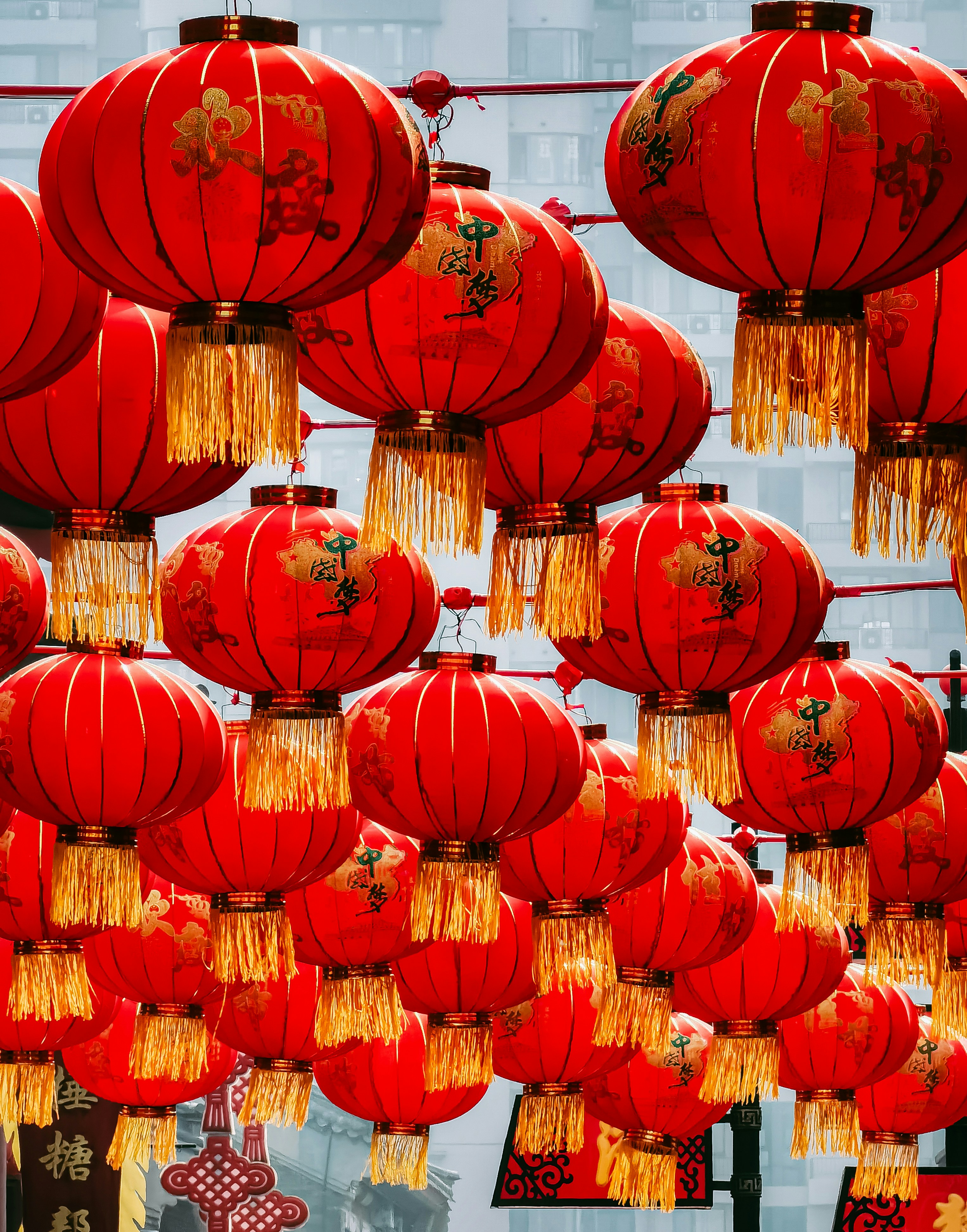
Photo Credit: CNY lanterns by Wu Yi on Unsplash
In China, Spring Festival is the common name for Chinese Lunar New Year. This festival does in fact take place during the time that the northern hemisphere starts its gradual warming, having already passed the coldest part of the winter.
During this season, flowers such as orchids, peach blossoms, cherry blossoms,
and citrus trees bloom during
the Spring Festival. These flowers symbolize new beginnings and good luck
while the use of the colour red in clothes and decorations represents happiness
and prosperity.
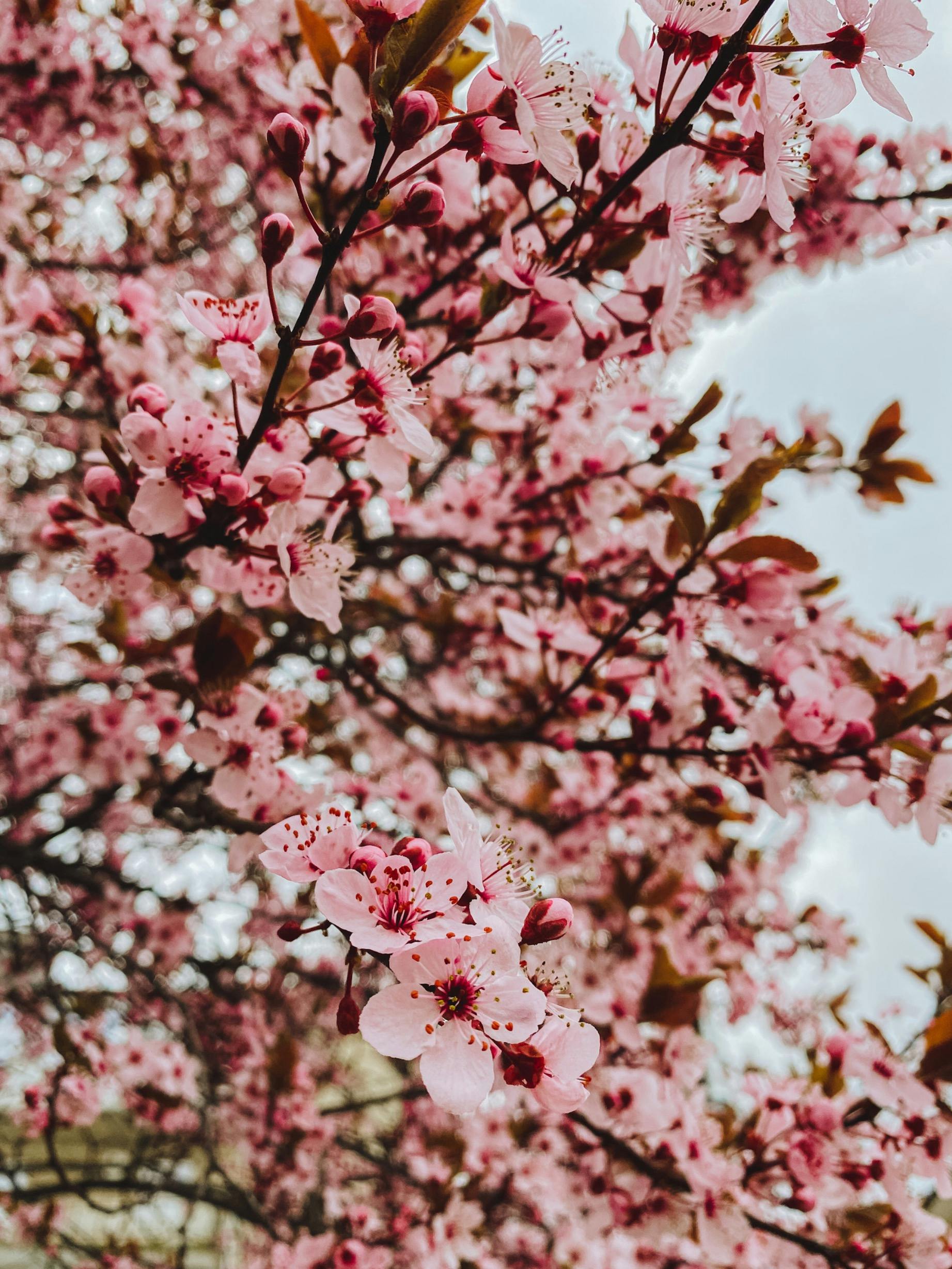
Photo Credit: Cherry blossoms by Luiza-Maria Scurtu on Pexels
The Science of Blooming Flowers
In nature, flowers bloom as the spring season brings warmer temperatures, longer days, and more sunlight, which triggers plant growth. Plants use photo synthesis to turn sunlight into energy to make their own food. As the days get longer, plants can obtain more sunlight, which helps them to grow faster and stronger. Widely open spring flowers also attract pollinators like bees and butterflies to help spread their pollen, which is needed to make seeds and fruits for reproduction.
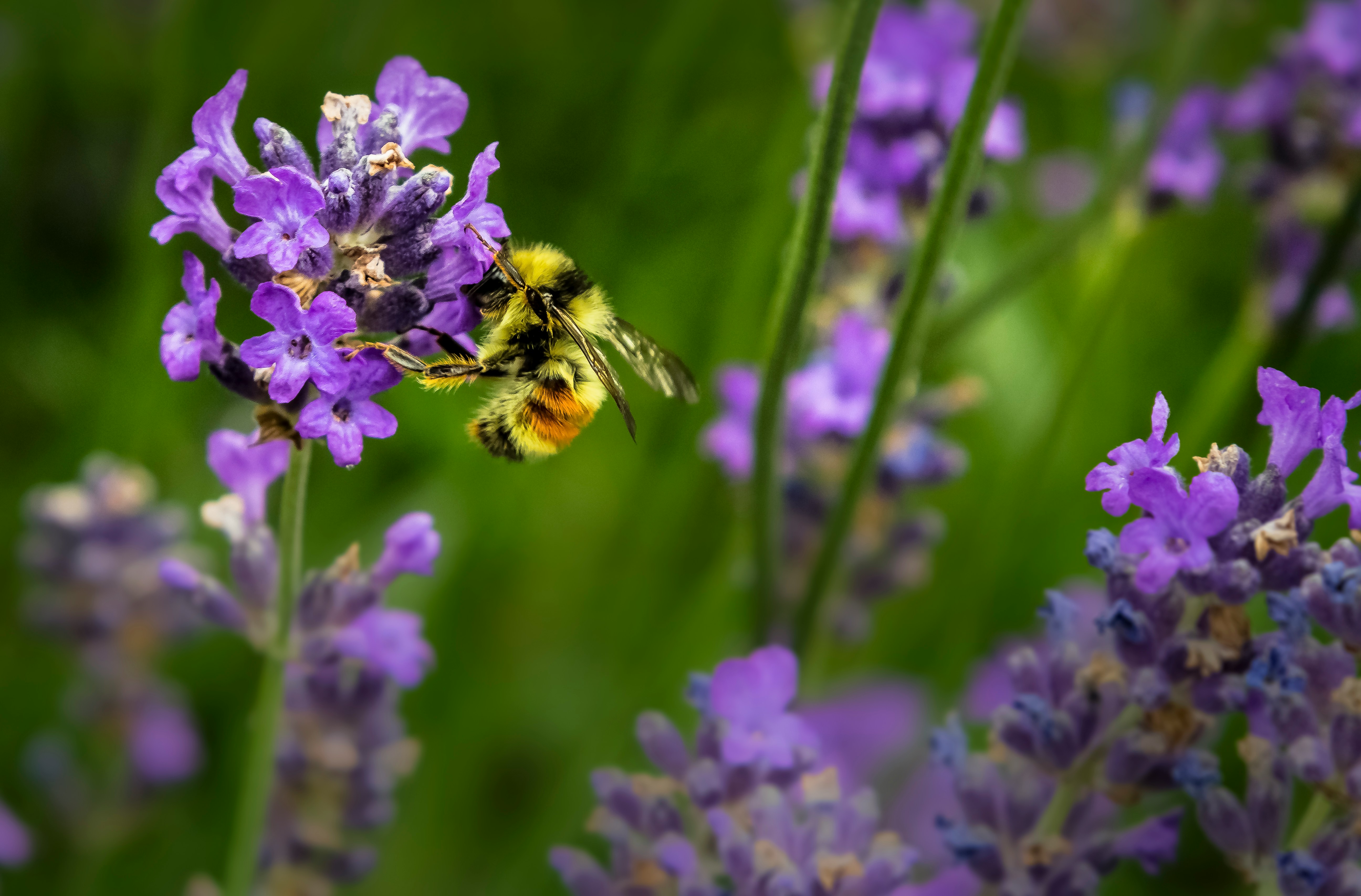
hoto Credit: Pollination by Jenna Lee on Unsplash
The Need for Sustainability
Another important part of Chinese New Year is the gifting of the hongbao or red envelope. A hongbao is a gift of money inserted into an ornate red pocket of paper that may come in various designs. They are also given on other important occasions, such as birthdays and weddings, as a way to send good wishes.
Writing auspicious wishes and blessings during Chinese New Year is also a common practice. It is a deeply rooted tradition that expresses hopes for prosperity, health, family harmony, and good fortune in the coming year.
Some commonly used phrases are:
-
恭喜发财 (gōngxǐ fācái) - wishing you happiness and prosperity
-
身体健康 (shēntǐ jiànkāng) - wishing you good health
-
万事如意 (wànshì rúyì) - hope everything goes well
-
年年有余 (niánnián yǒuyú) - may you have abundance every year
-
大吉大利 (dàjí dàlì) - lots of luck and profits
-
心想事成 (xīnxiǎng shìchéng) - may all your wishes come true
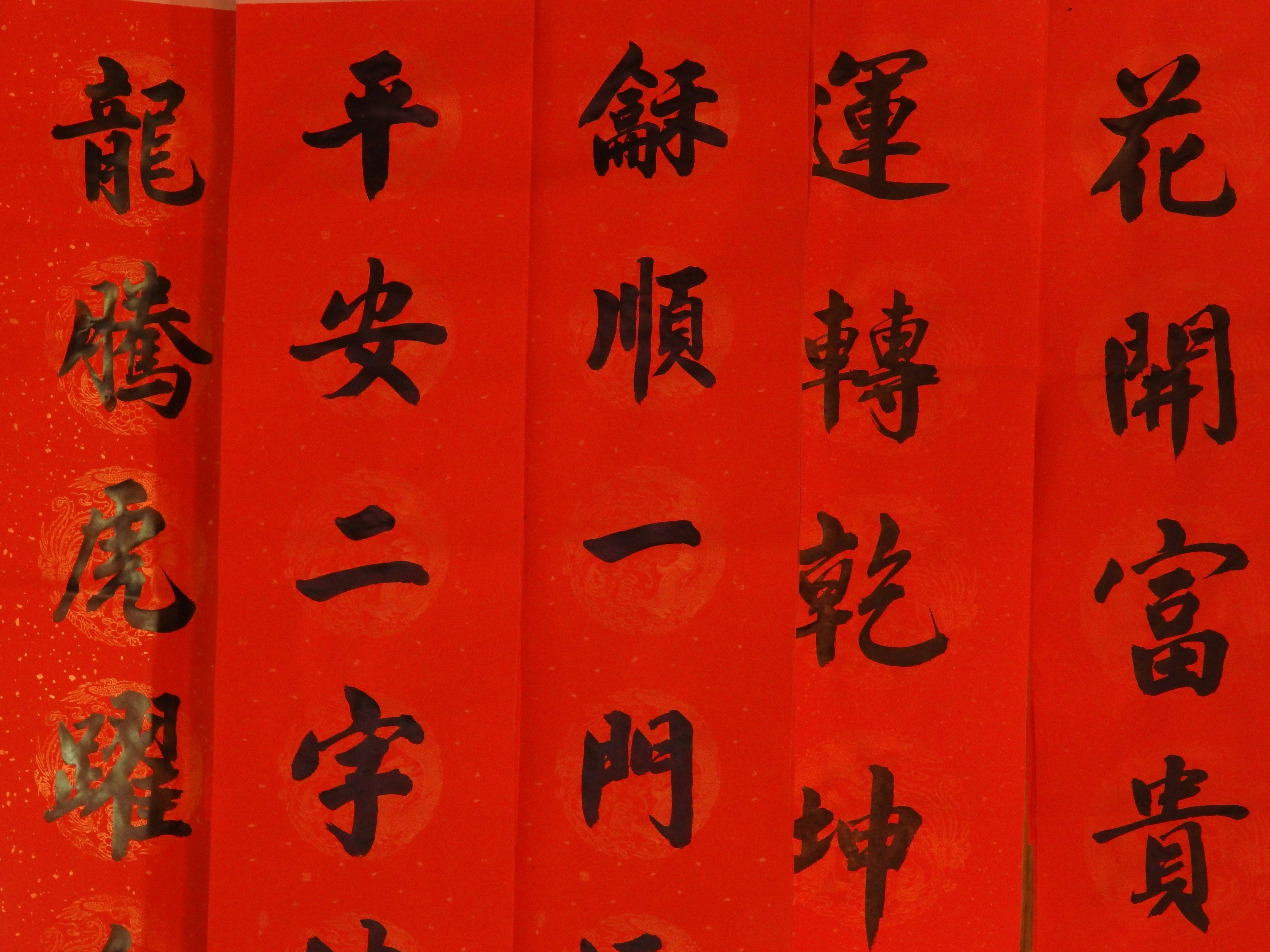
Photo credit: Auspicious CNY wishes by ZJ Luk on Unsplash
Reusing hongbaos is generally avoided due to a combination of cultural beliefs and practical considerations related to etiquette. As hongbaos are seen as a way to pass on luck and good wishes to the recipient for the coming year, givers are expected to use brand-new ones to symbolize a fresh start and sincerity. Also, many hongbaos feature the specific zodiac animal of the current year or bear greetings for specific events, making them inappropriate for use in a subsequent year or different occasion. Used hongbaos often show signs of wear and tear, and giving them out can be perceived as impolite or a lack of respect for the recipient.
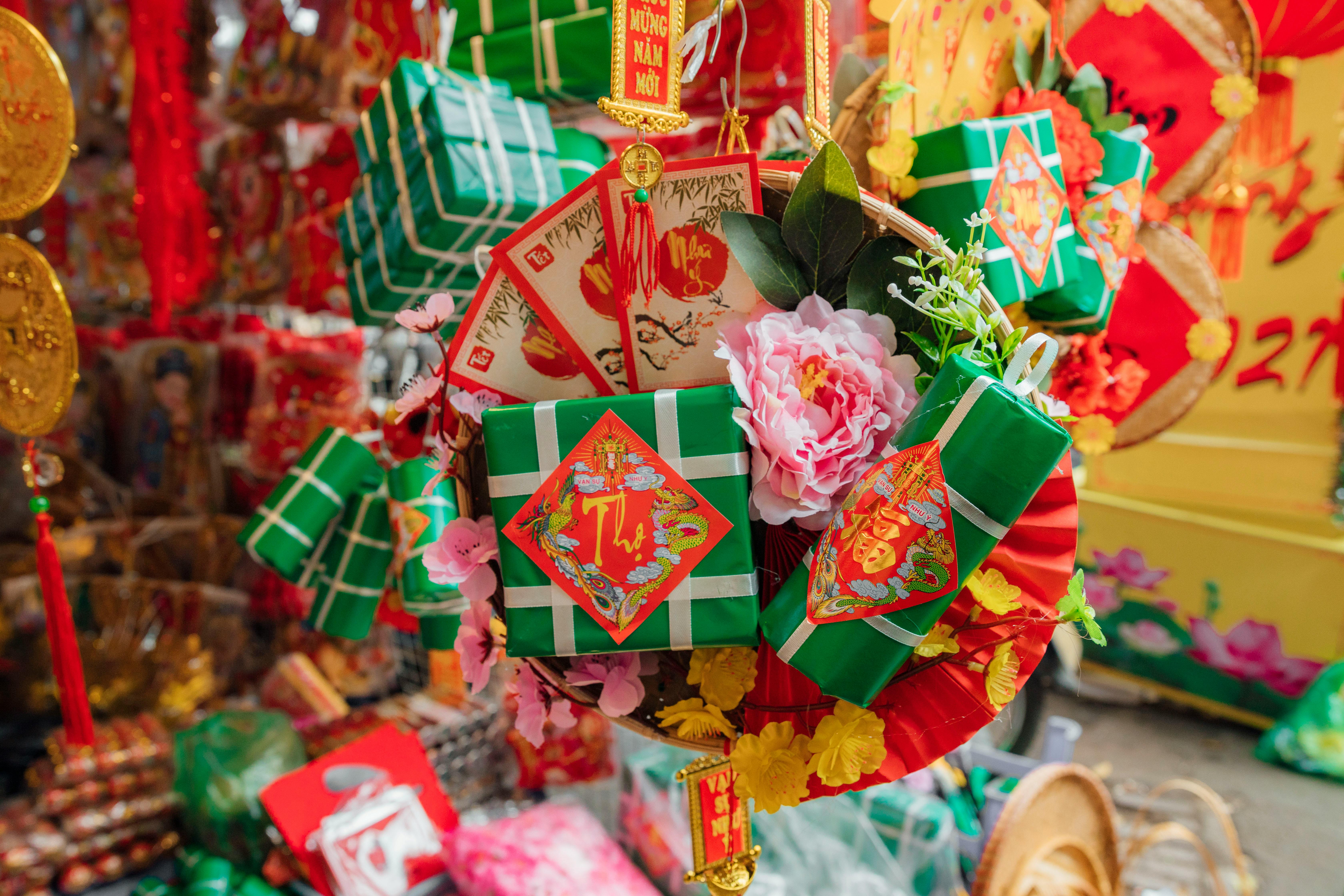
Photo credit: CNY crafts by Hong Son on Pexels
Hongbaos often feature heavy dyes, gold stamping, foil, glitter, and plastic coatings, which are considered contaminants in the standard paper recycling process. These materials can mess up the pulping process at paper mills and require specialized machinery to handle. Hence, it is challenging to recycle them as well.
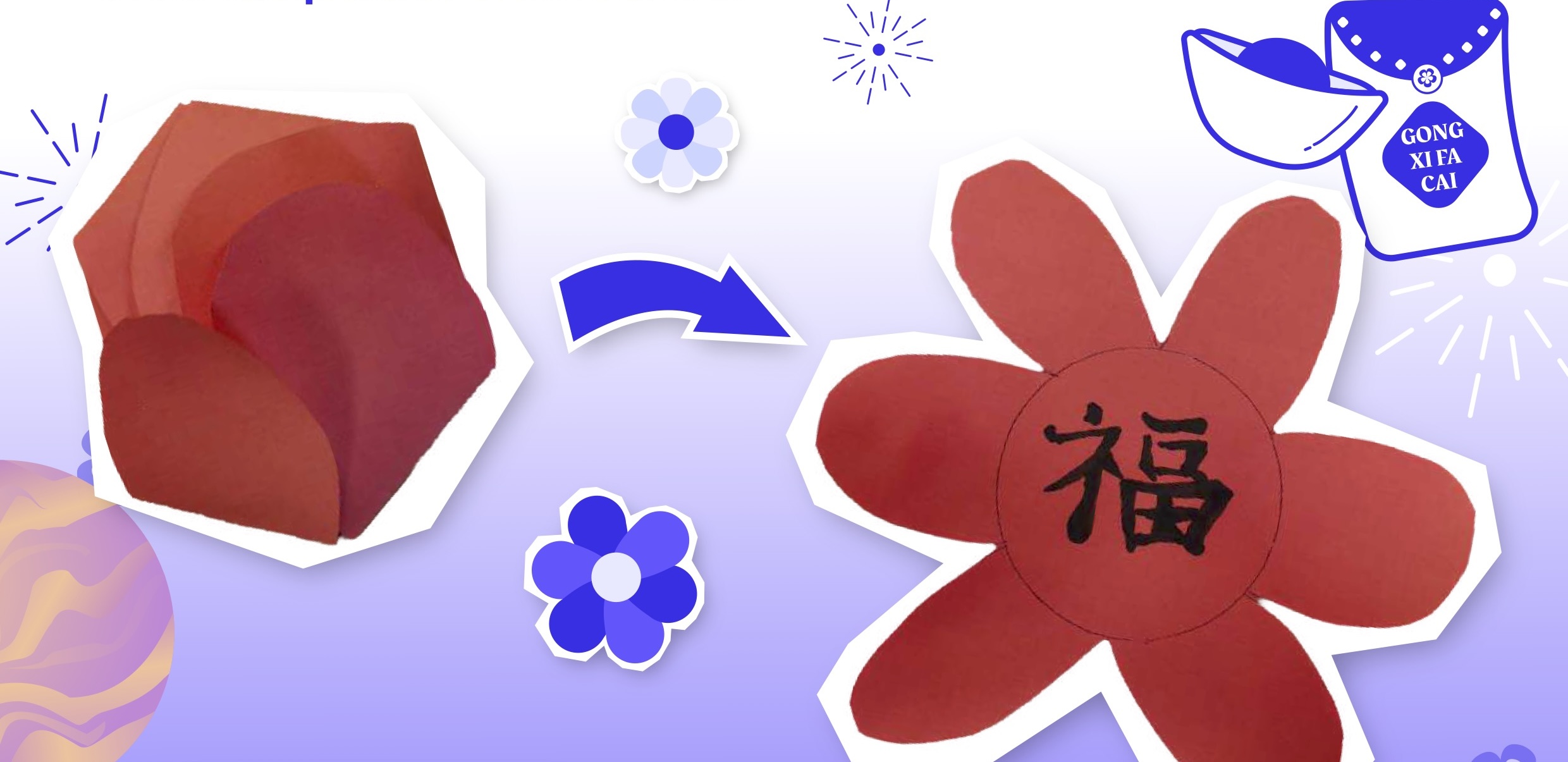
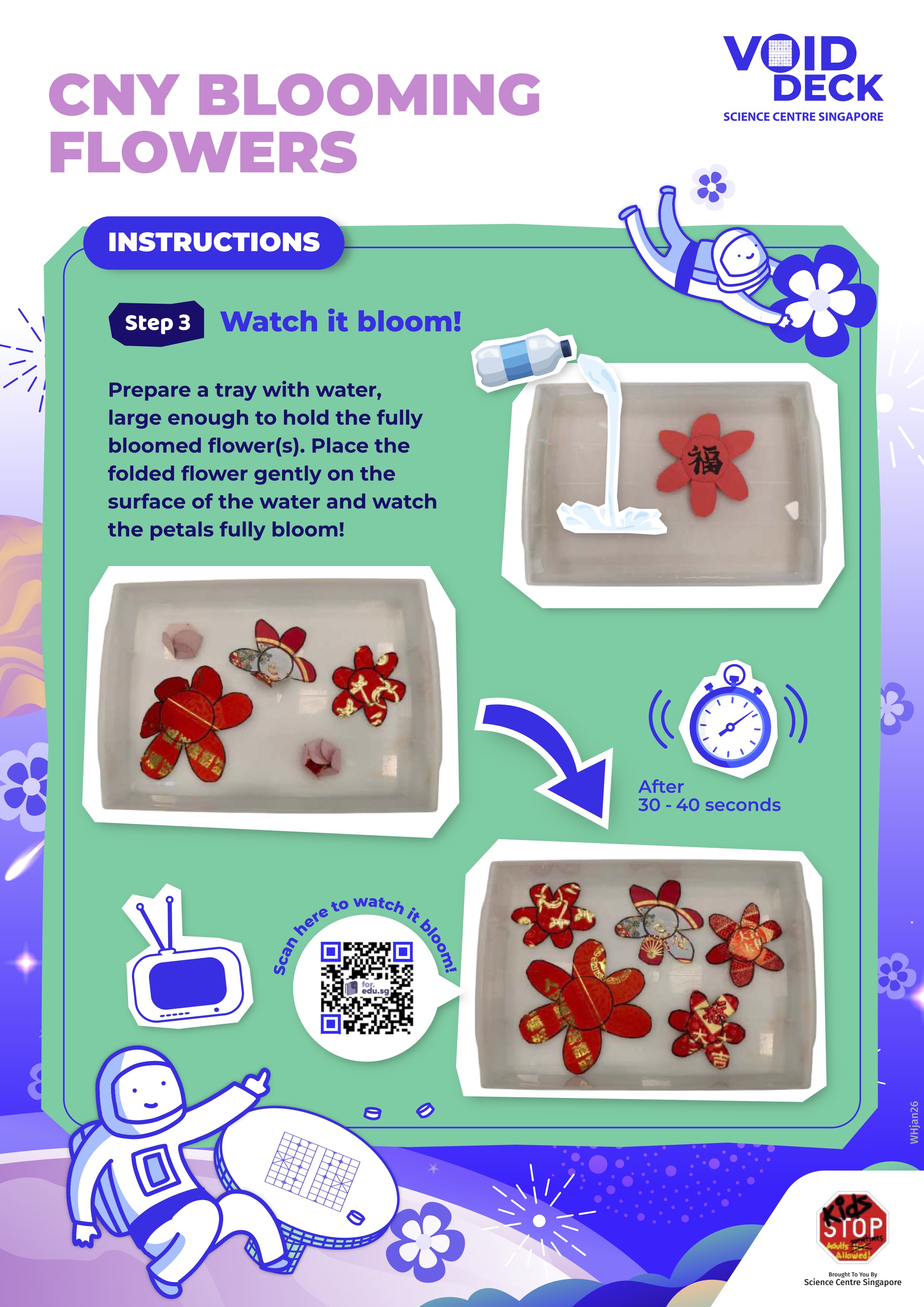
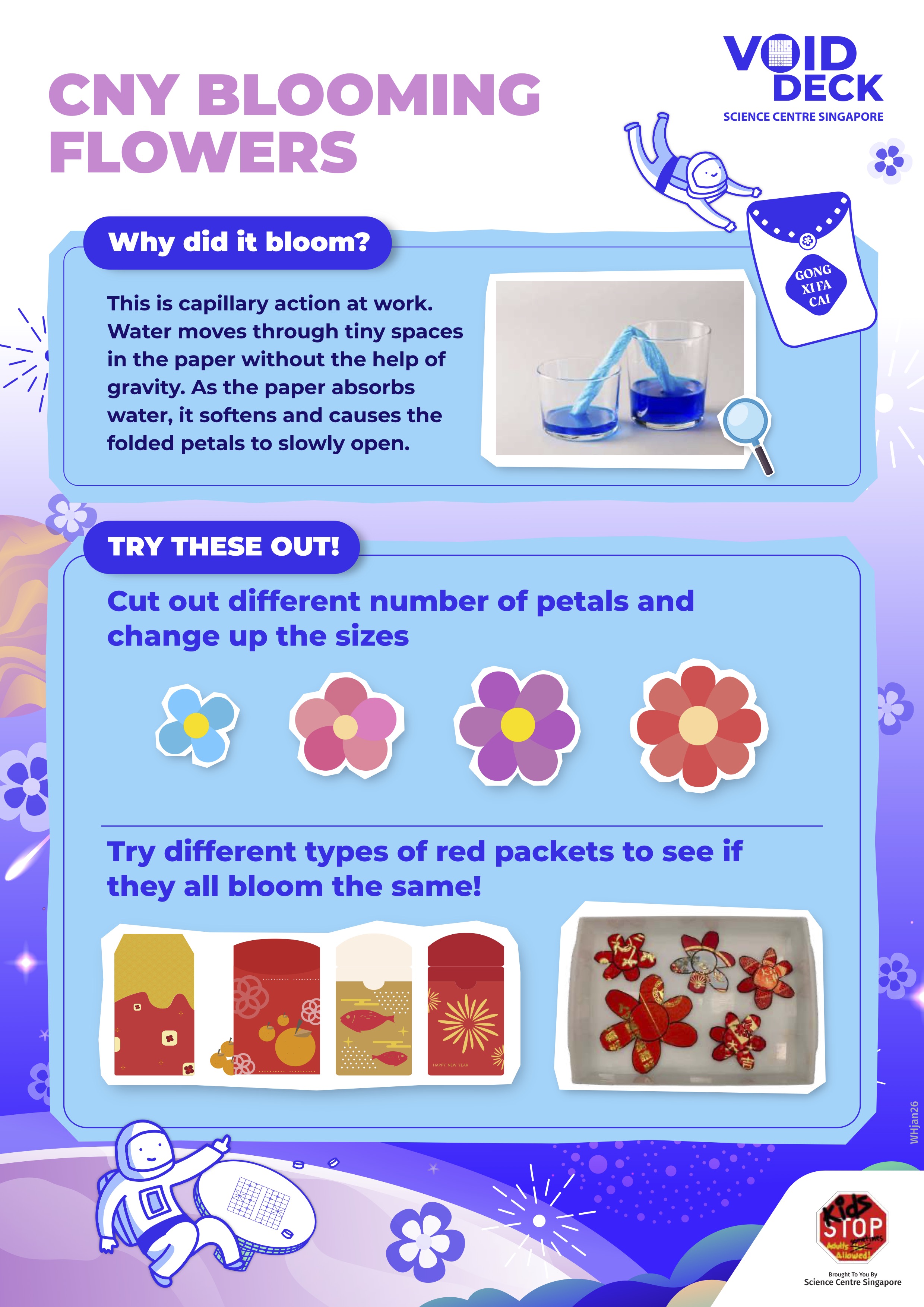
An alternative way of reducing the wastage of these hongbaos is to use them in crafts! A simple craft that you can make at home with these leftover hongbaos are your very own blooming ‘flowers’. Just follow the simple steps below and find out why these craft flowers are able to 'bloom' on their own!
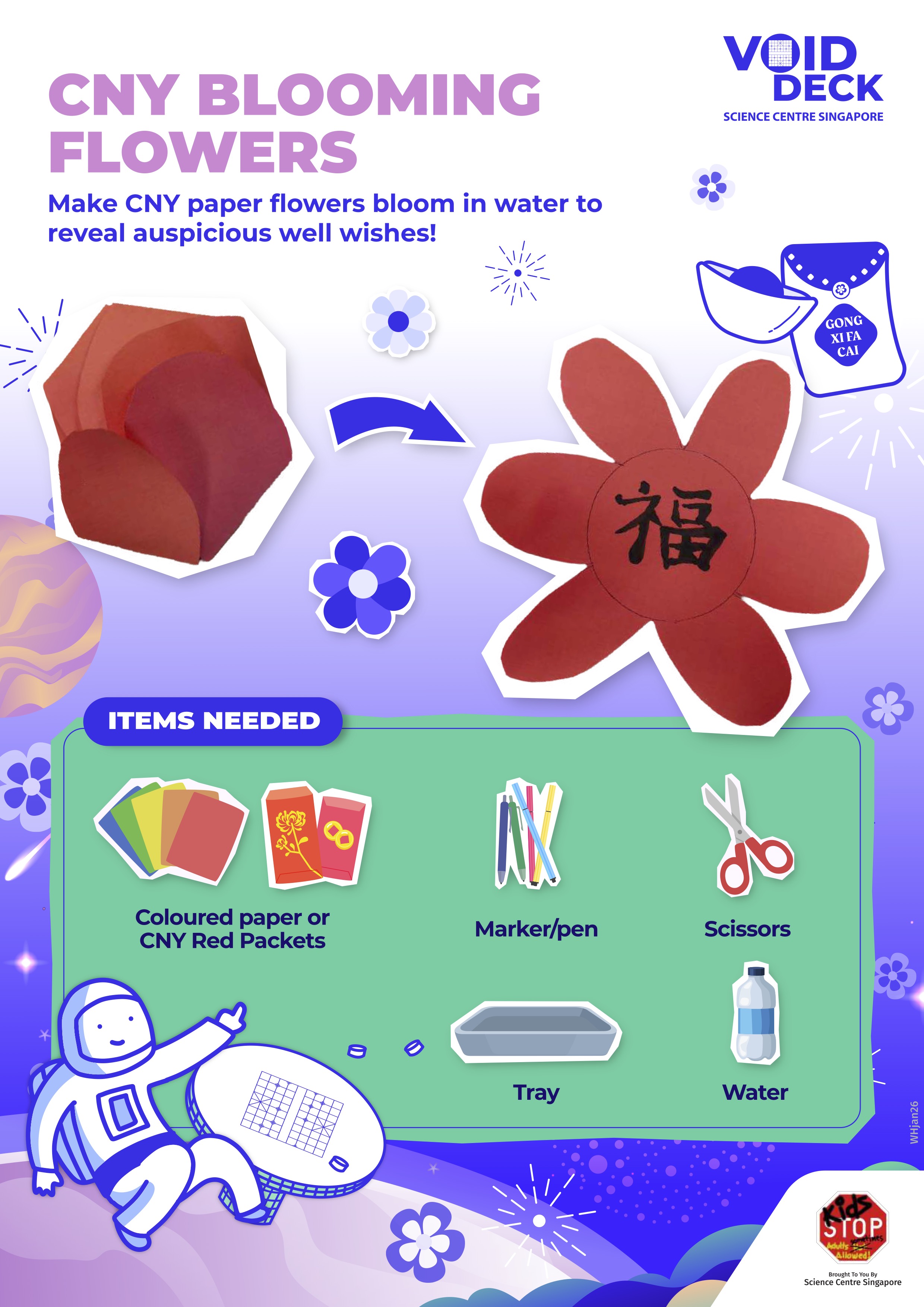
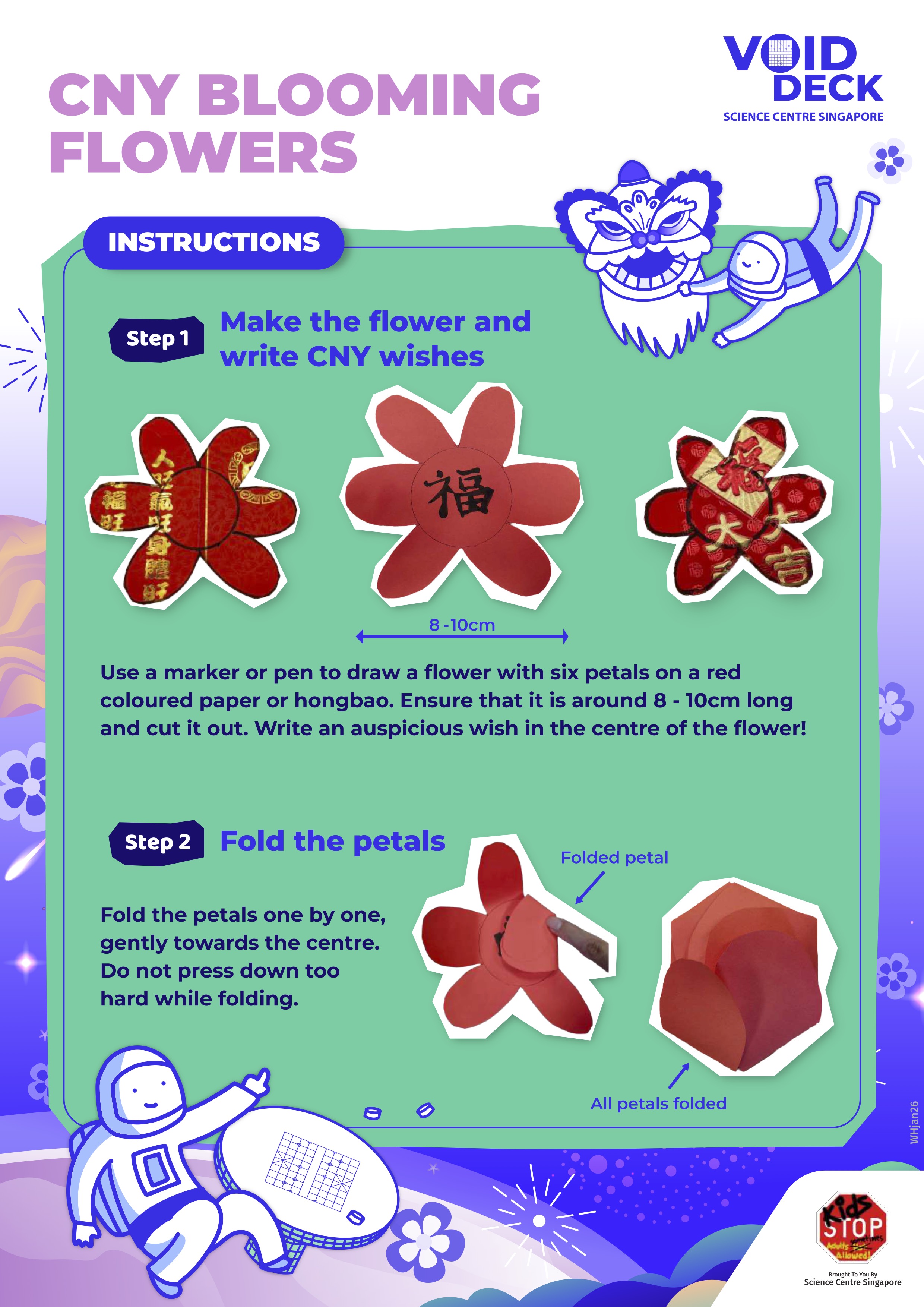
Click on the link below to download a printable guide.
Void Deck DIY Chinese New Year Blooming Flowers Activity Guide
Published 13 February 2026