
The Spectacular Snakes of Singapore
Discover 67 snake species native to Singapore and learn why these shy reptiles are vital to our ecosystems.
Slither into the Year of the Snake by exploring some of the fascinating snake species native to Singapore.
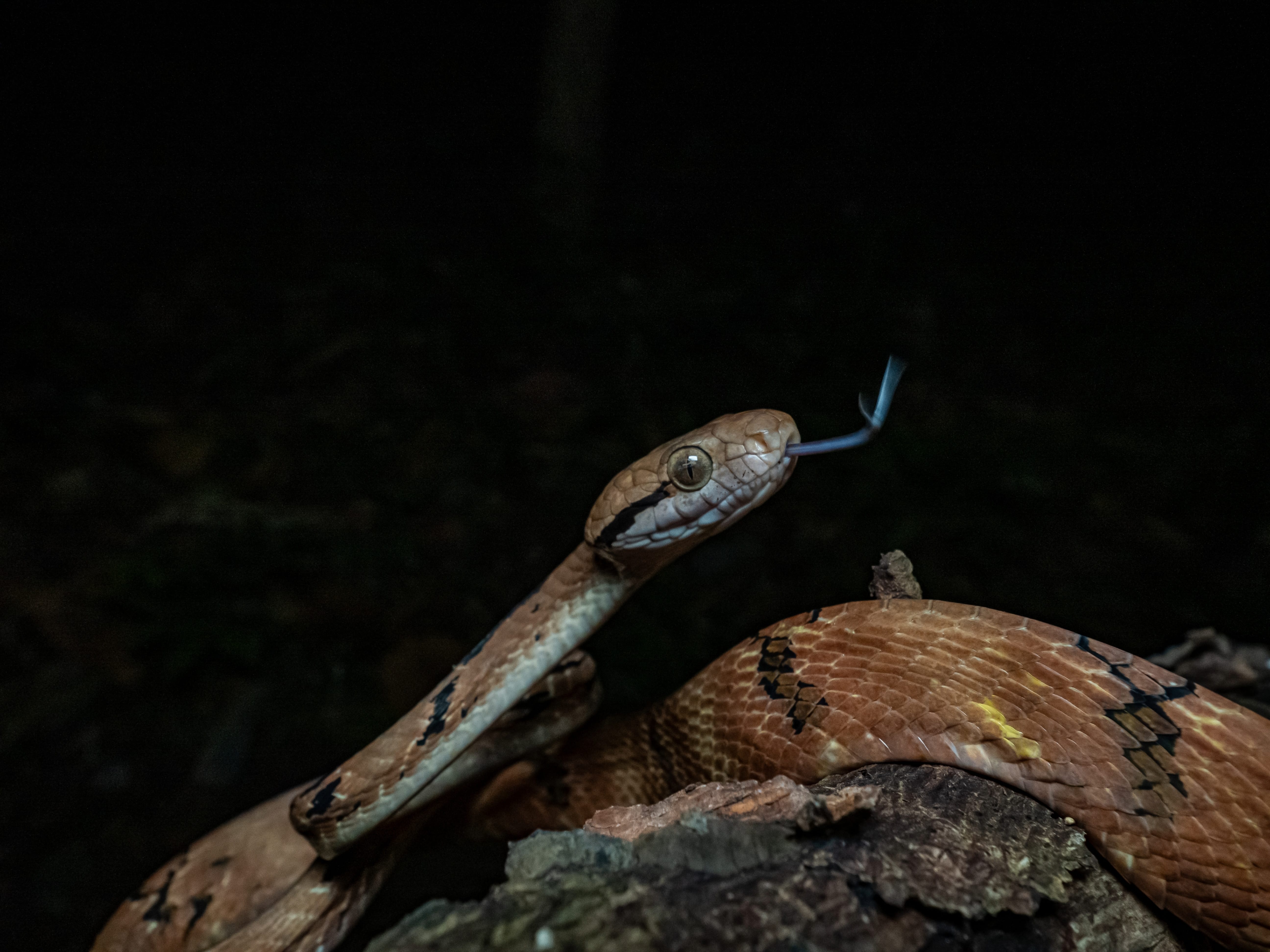
A dog-toothed cat snake. Photo credit: Neo Xiaoyun (opens in new tab).
Wishing you prosperity and wisdom this Year of the Snake! To celebrate this Chinese zodiac animal's charm and intelligence, let's look at what makes snakes so impressive and survey some of the fascinating snake species you can find right here in Singapore.
A Snake's Special Abilities
Snakes exhibit some special qualities that set them apart in the animal kingdom. For instance, their elongated, limbless bodies are covered in scales (opens in new tab)made of keratin (yes, the same material as human fingernails!) that help them to move and retain moisture. Their stretchable jaws (opens in new tab) have flexible joints allowing them to feed on prey much larger than their skulls (opens in new tab). Their famous forked tongues (opens in new tab) let them “smell” their surroundings to locate prey. Certain snakes like pythons even have heat-sensitive pits (opens in new tab) that detect infrared radiation of warm-blooded prey in the dark like thermal imaging.
Although films and popular media often portray snakes as aggressive animals, only a fraction (opens in new tab)of the more than 3,000 species of snakes (opens in new tab) worldwide can actually kill you. Strangely, other seemingly innocuous animals can be more deadly. A 2016 study (opens in new tab) from University of Melbourne found that horses, for example, killed more people from 2000-2013 than all venomous animals combined in Australia (opens in new tab).
While snakes get a bad rap and are often treated with suspicion, we need snakes to keep our green city healthy. These reptiles play important roles in Singapore's natural ecosystems by acting as a "biological control for local rodent populations" and serving as "vital components of the food web as predators of small animals and prey to larger mammals and birds" according to NParks’ advisory on snakes (opens in new tab).
Snakes have adapted to Singapore's highly urbanised environments by travelling through drains and canals to hunt rats and other animals. These ectothermic (opens in new tab) (cold-blooded) creatures can be found basking on the pavement; however, they are generally shy, preferring to retreat away (opens in new tab) from humans.
Singapore is home to 67 species (opens in new tab) of snakes, ranging from the tiny 20-centimeter Brahminy blind snake (Ramphotyphlops braminus) to the gigantic reticulated python (Malayopython reticulatus) which can grow up to over 9 meters (opens in new tab) in length. Due to Singapore’s tropical climate, snakes are active all year round (opens in new tab).
While most people imagine snakes smoothly gliding on the ground, Singapore also has arboreal snakes and fossorial snakes. Arboreal snakes reside in trees, while fossorial snakes spend most of their lives underground. The painted bronzeback (opens in new tab)(Dendrelaphis pictus), for example, is arboreal and feeds on lizards and frogs. In contrast, the small Brahminy Blind Snake (opens in new tab), often mistaken for an earthworm, is fossorial and feeds on soil-dwelling invertebrates such as ant or termite larvae.
There are many curious and captivating snakes native to Singapore. Consider the blue Malayan coral snake (opens in new tab) (Calliophis bivirgatus), which boasts the largest venom glands of any snake (opens in new tab). Or the mesmerizing, rarely-seen twin-barred tree snake (opens in new tab) (Chrysopelea pelias), which can "glide from tree to tree by flattening its body into an aerofoil-like shape and flinging itself from tall trees.” (opens in new tab) Other delightfully named species to explore: the puff-faced water snake (opens in new tab), gold-ringed cat snake (opens in new tab), white-spotted slug snake (opens in new tab)… For more information on snakes and advice on herping (searching for amphibians and reptiles in the wild) safely and ethically you can visit the Herpetological Society of Singapore (opens in new tab)'s website.
Gallery of Snakes
Let's take a virtual tour of some of remarkable snakes native to our island home, photographed by local wildlife enthusiasts.
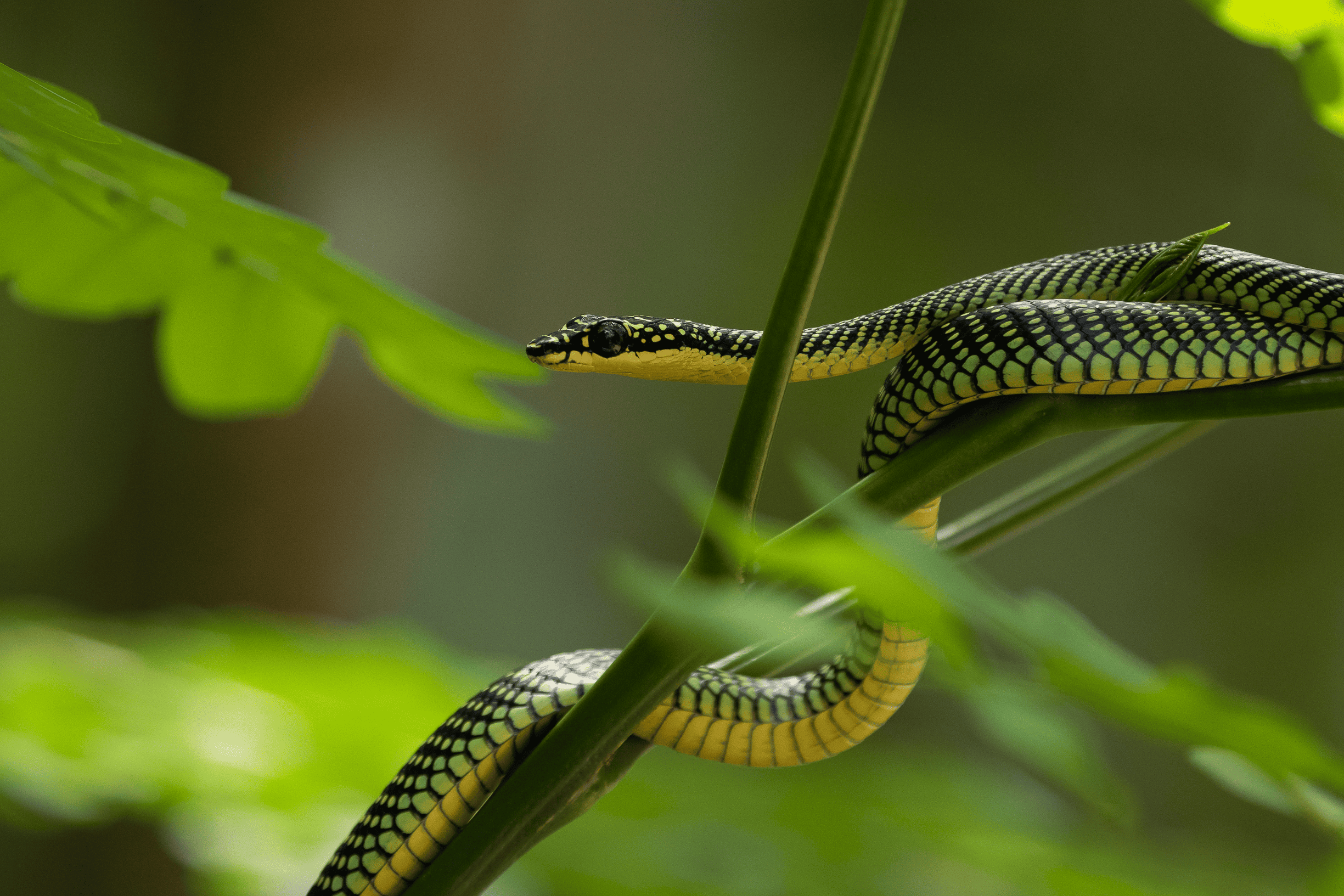
Photo credit: Emmanuel Goh (opens in new tab). Photographer's caption: A paradise tree snake (Chrysopelea paradisi) navigates a shrub.
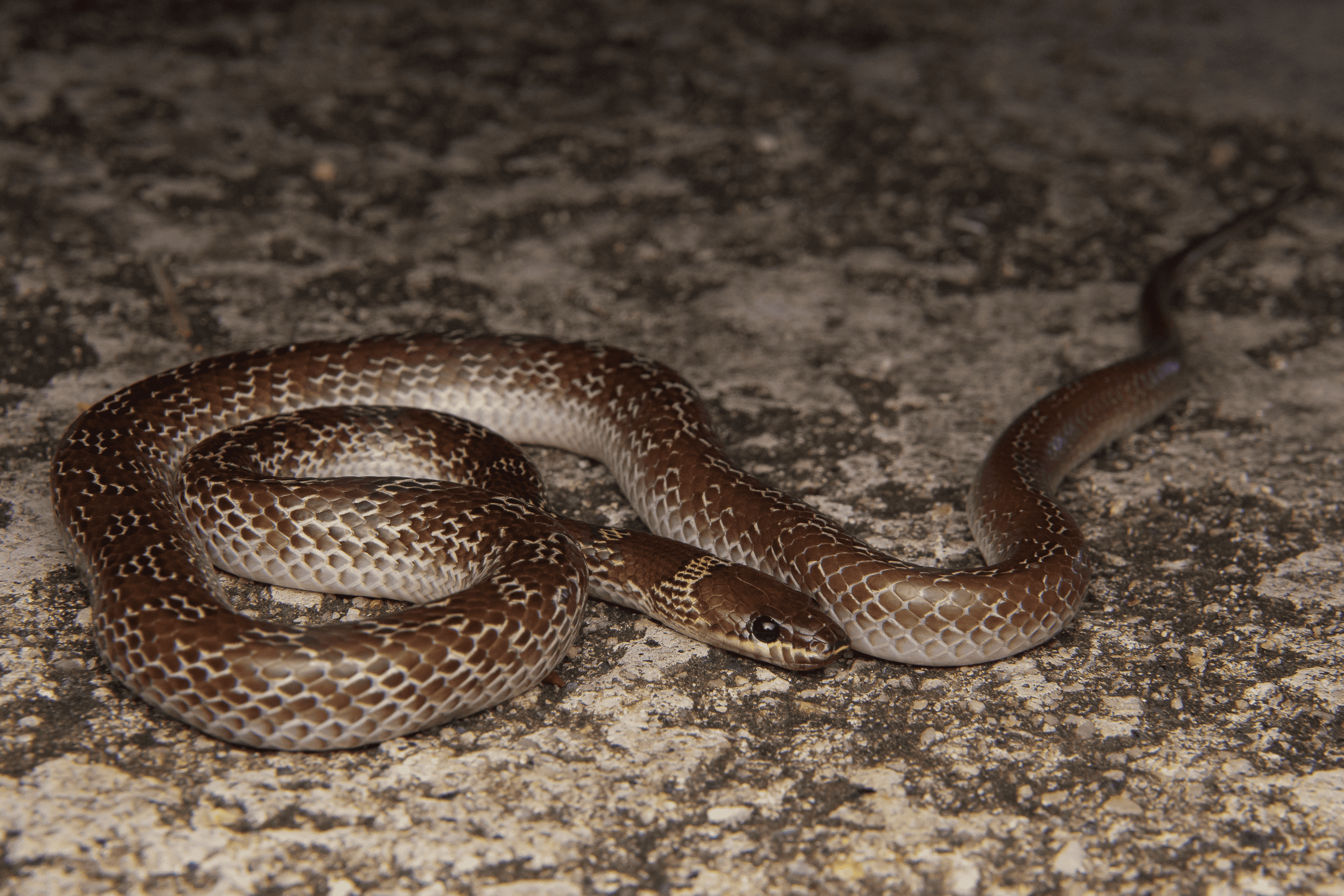
Photo credit: Emmanuel Goh (opens in new tab). Photographer's caption: A house wolf snake (Lycodon capucinus) exploring the concrete pavement of Changi Beach.
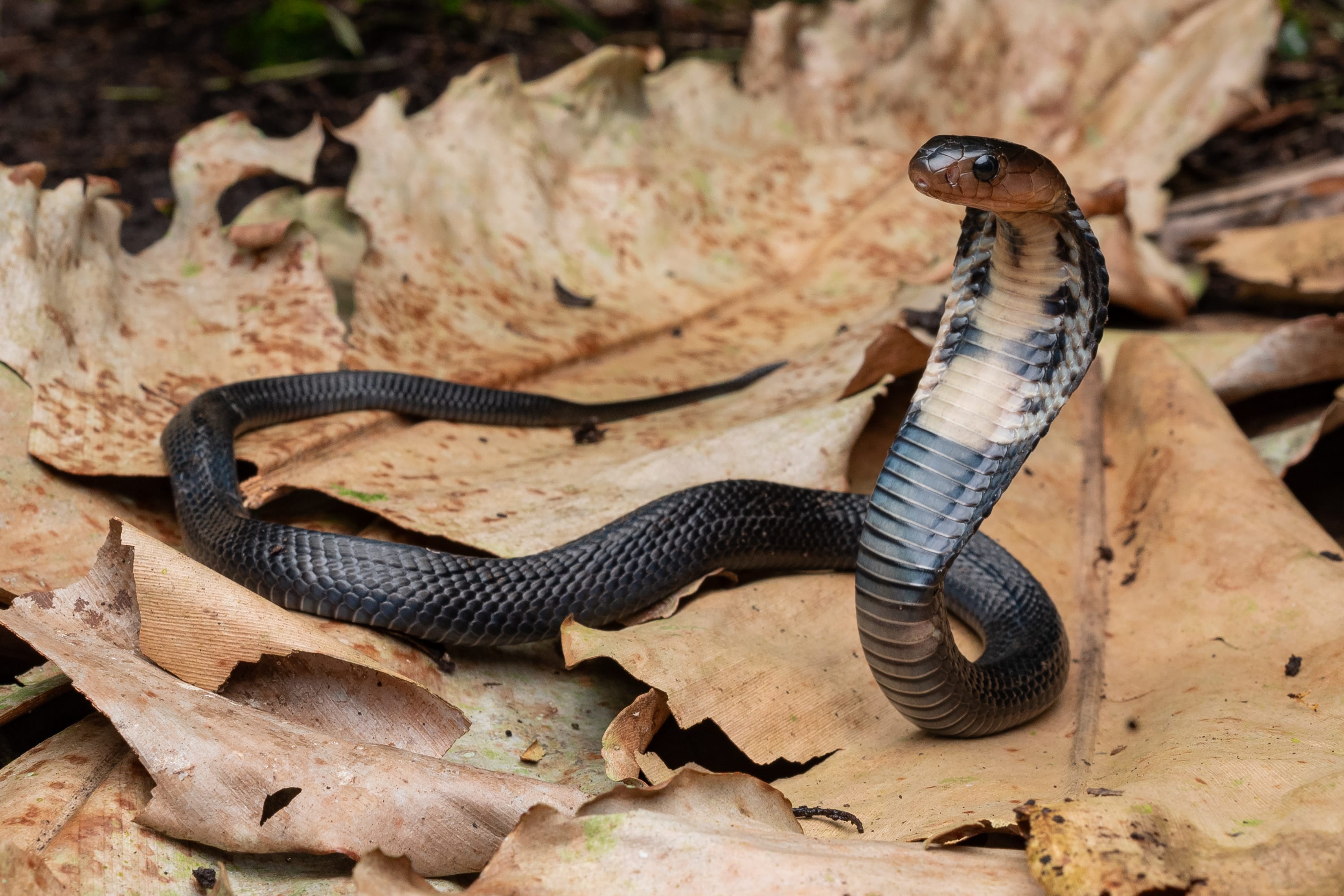
Photo credit: Tan Robbin (opens in new tab). Photographer's caption: A curious Sumatran Spitting Cobra (Naja sumatrana).
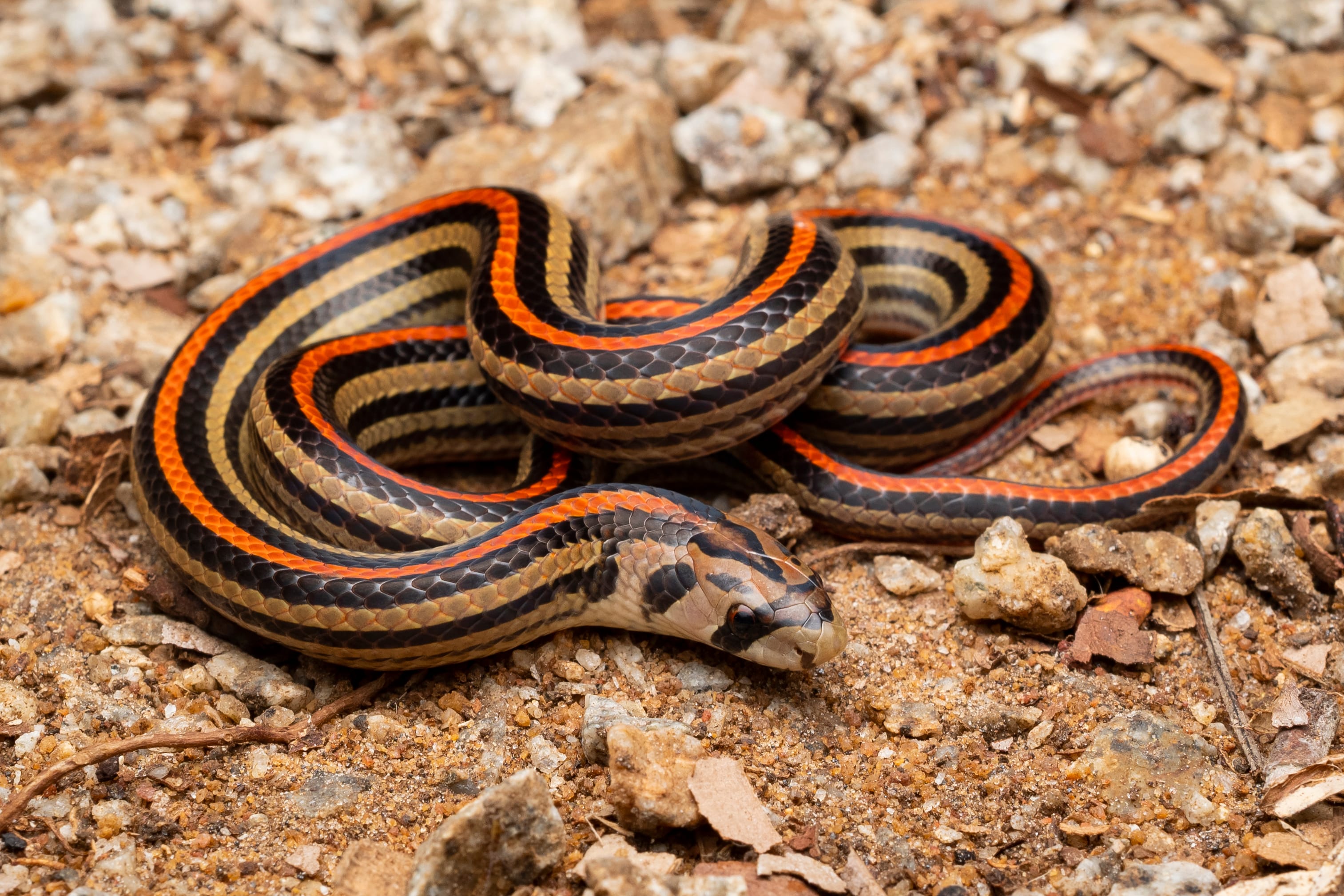
Photo credit: Tan Robbin (opens in new tab). Photographer's caption: The Striped Kukri Snake (Oligodon octolineatus) is named as such due to its sharp teeth which resemble the kukri knives used by the gurkhas.
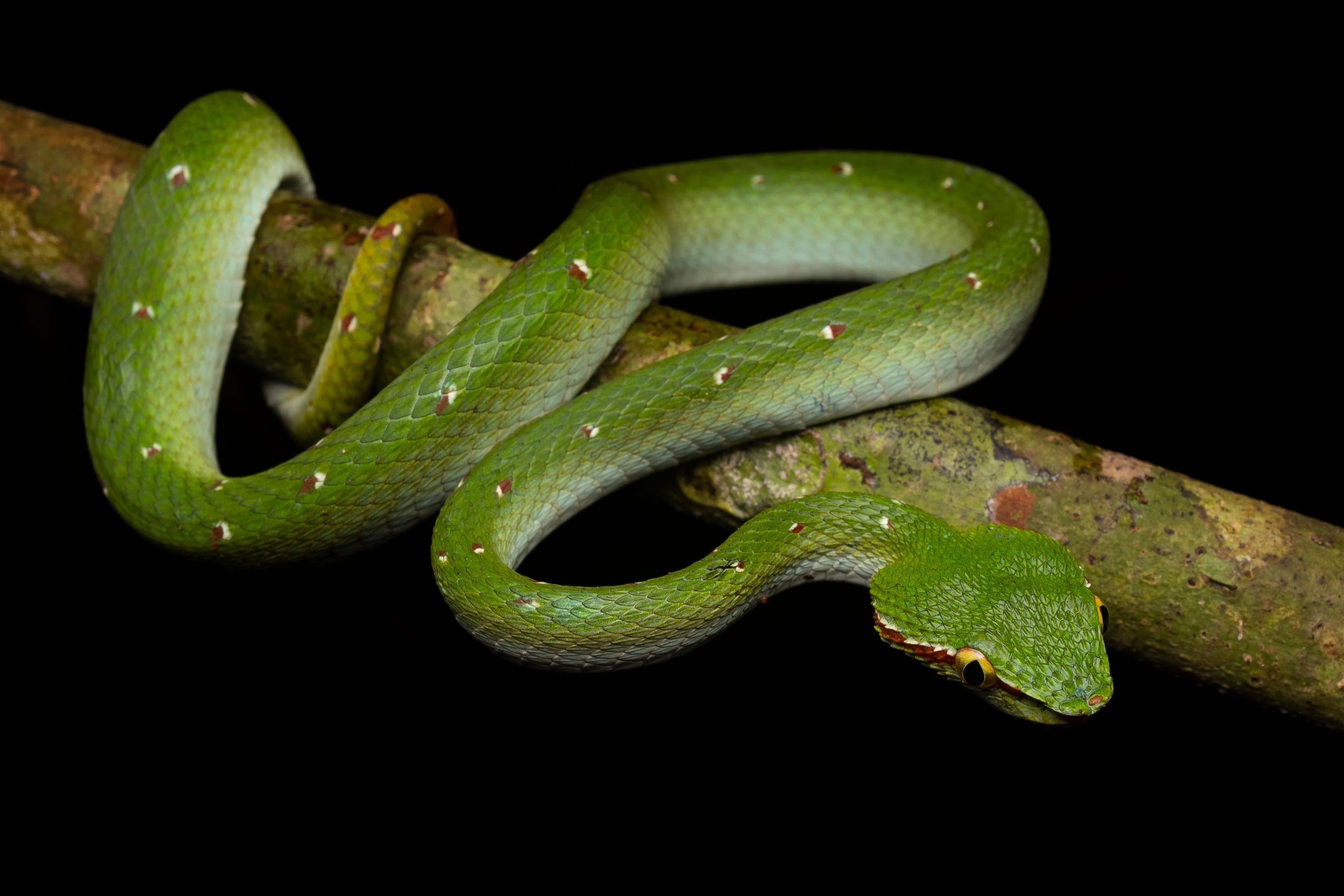
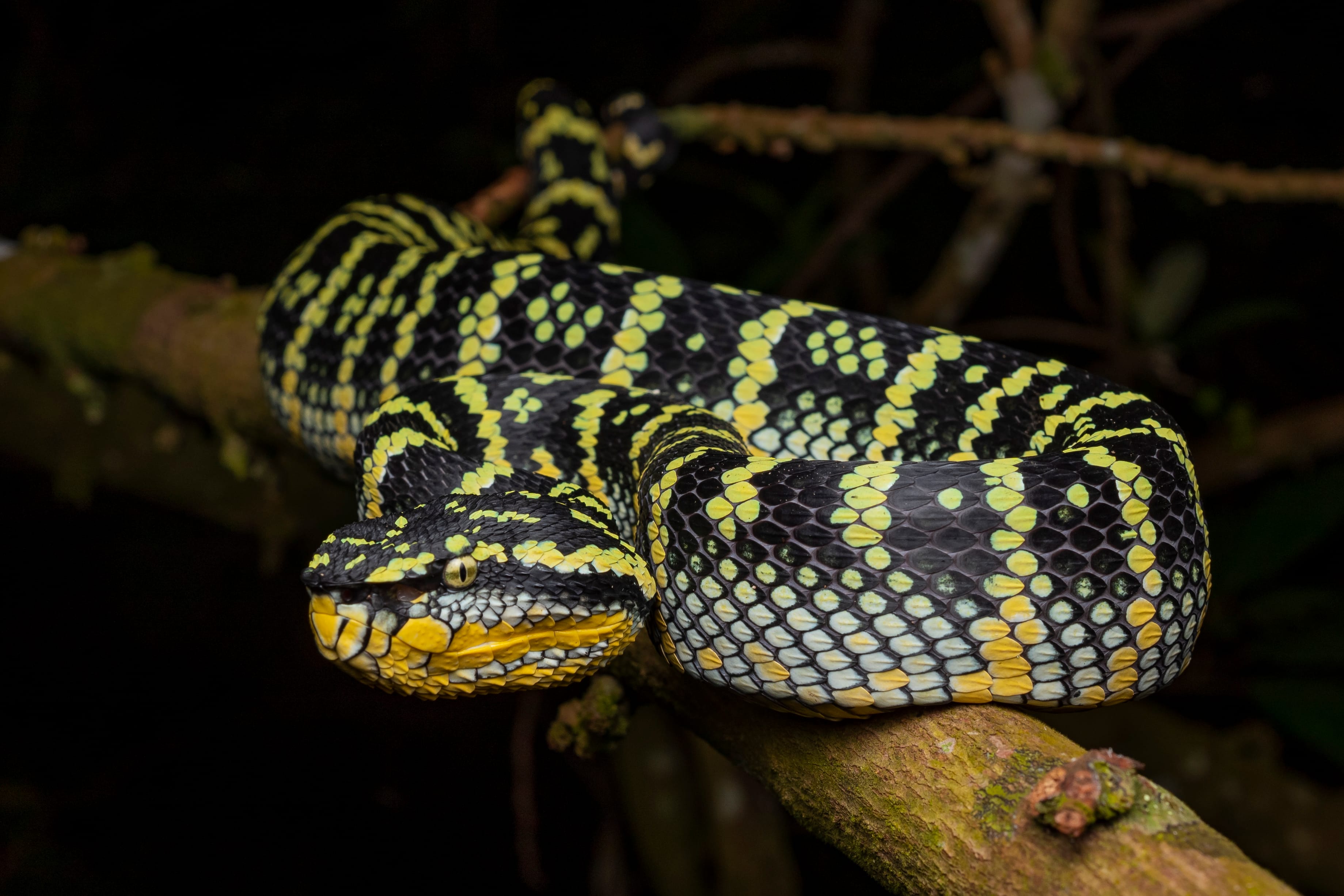
Photo credits (top and bottom): Tan Robbin (opens in new tab). Photographer's caption: Sexual dimorphism between an adult male Wagler's Pit Viper (with green) and an adult female Wagler's Pit Viper (with yellow).
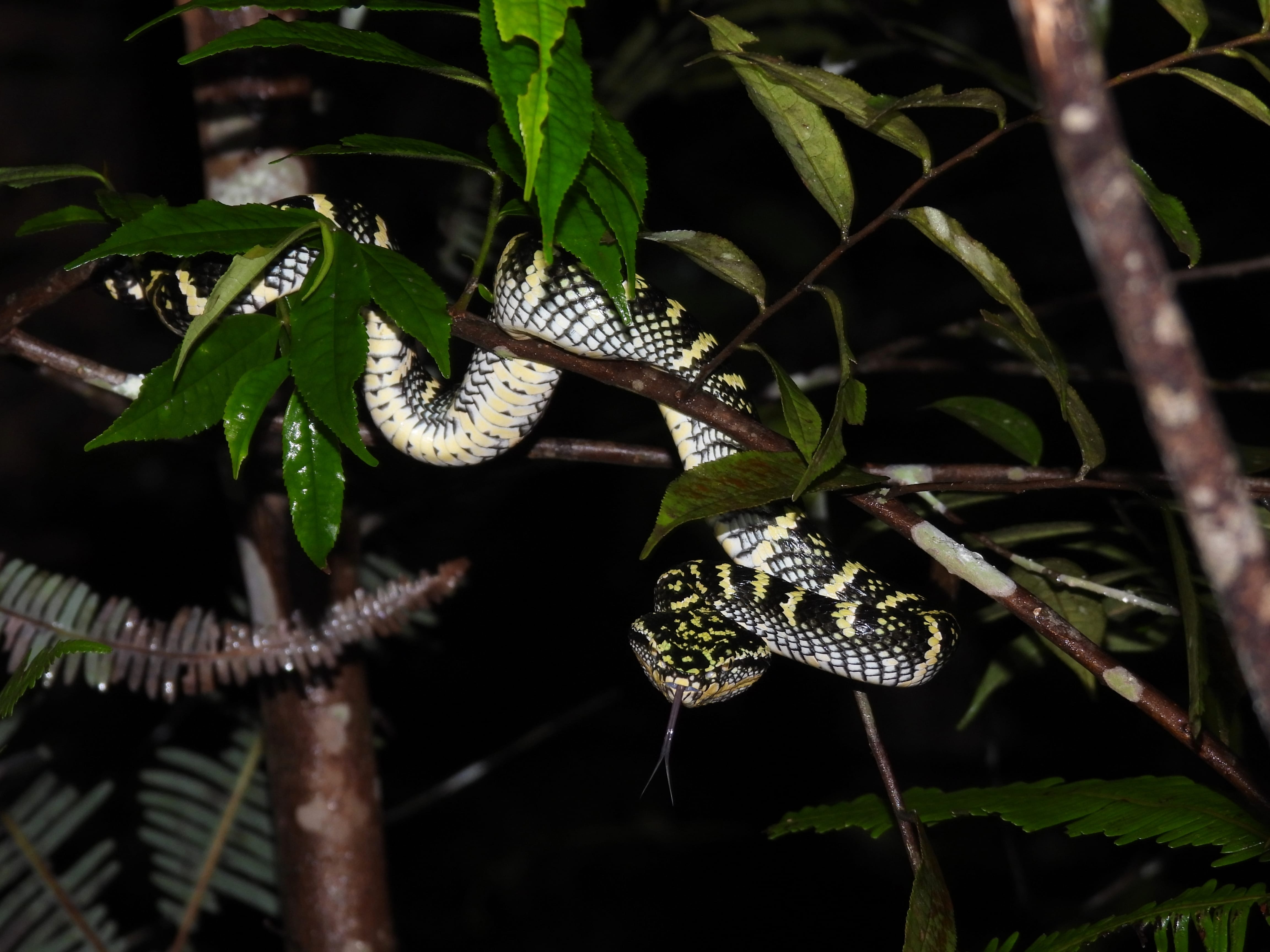
Photo credit: Cheo Zi Han. Photographer's caption: A female Wagler's pit viper (Tropidolaemus wagleri).
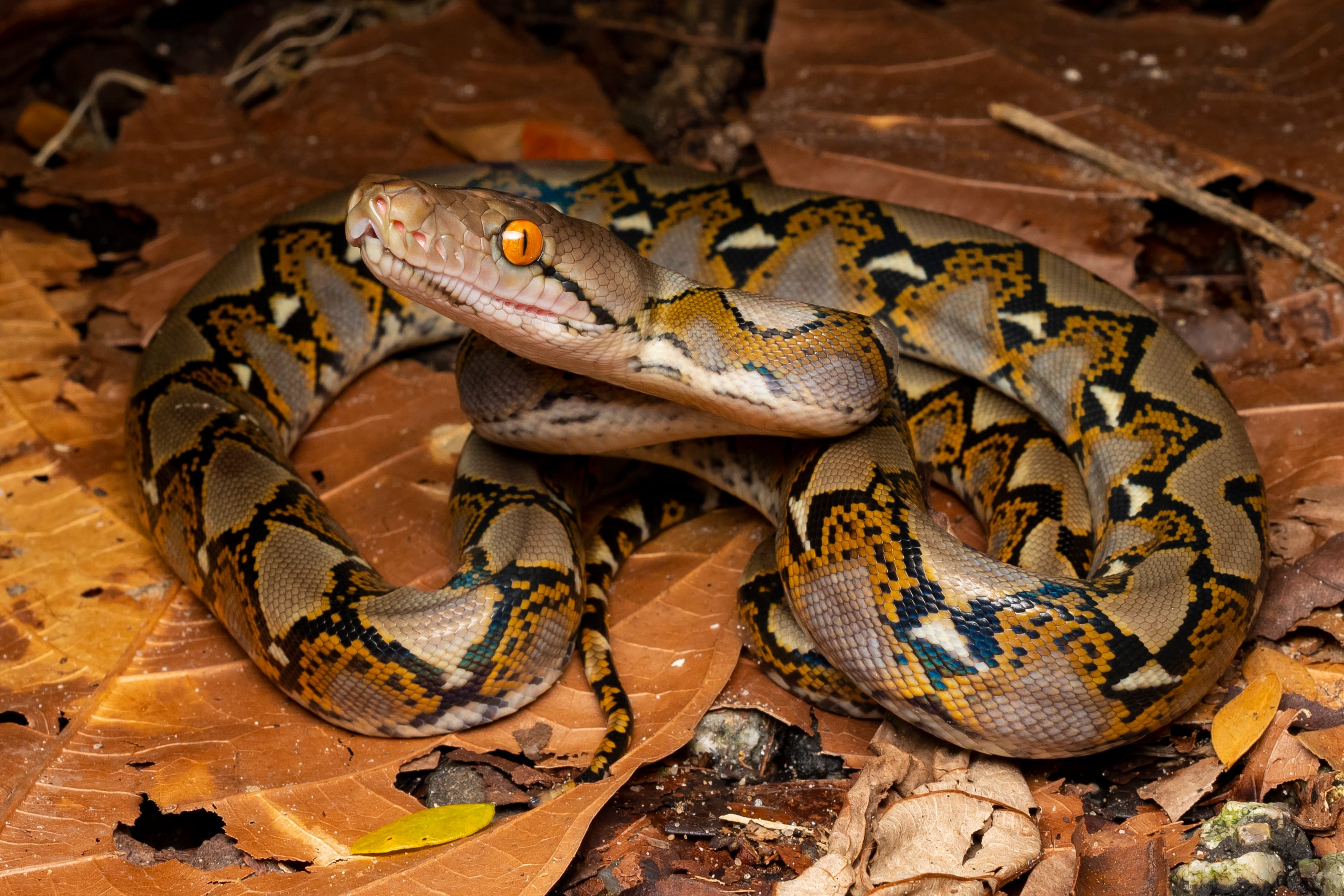
Photo credit: Tan Robbin (opens in new tab). Photographer's caption: A Reticulated Python (Malayopython reticulatus) on the forest floor.
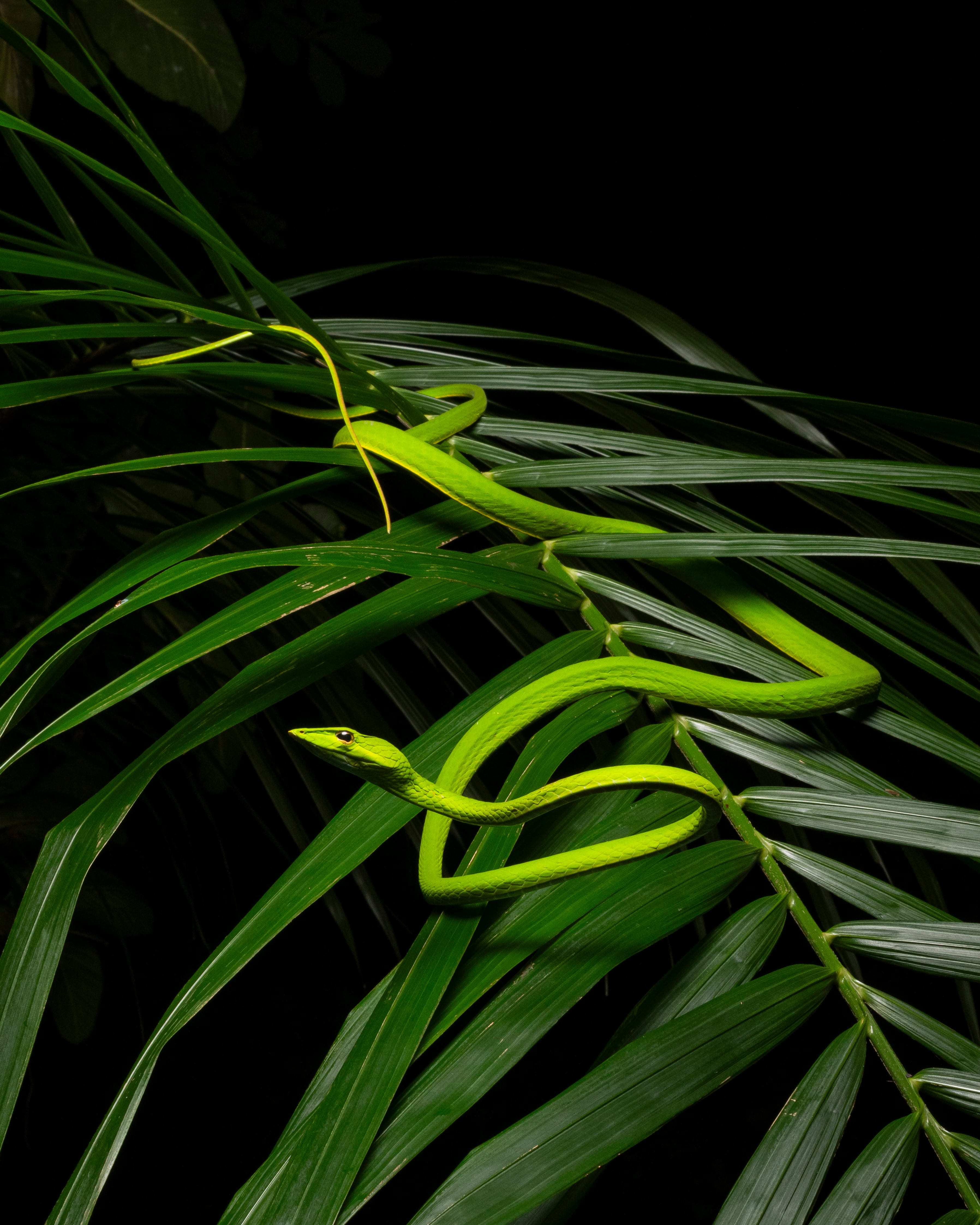
Photo credit: Tan Robbin (opens in new tab). Photographer's caption: An Oriental Whip Snake (Ahaetulla prasina) climbs a palm.
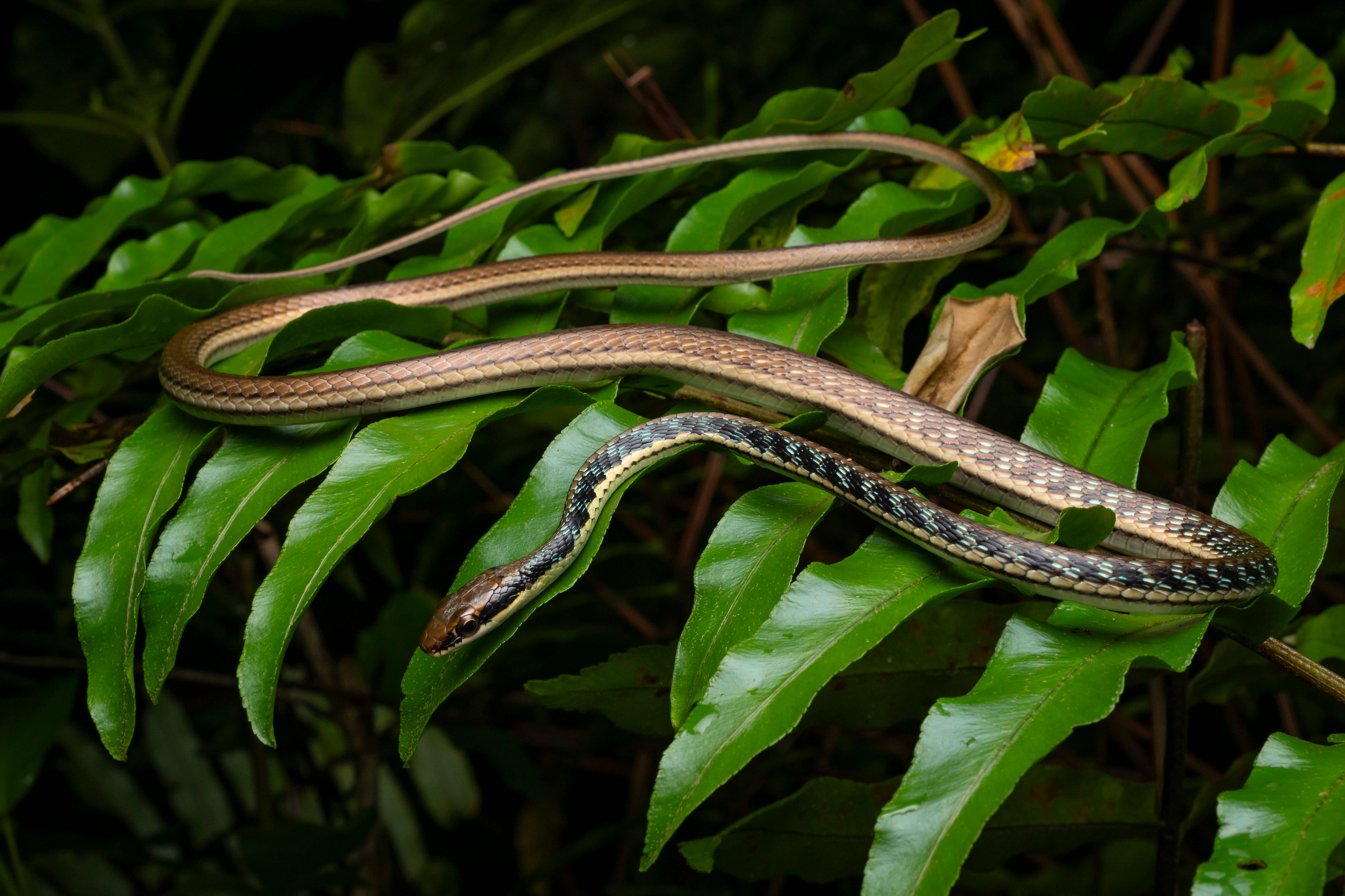
Photo credit: Tan Robbin (opens in new tab). Photographer's caption: The Pained Bronzeback (Dendrelaphis pictus) might be plain in coloration, but a closer look reveals beautiful blue intersitials.
Photo credit: Neo Xiaoyun (opens in new tab). Photographer's caption: We sighted this dog-toothed cat snake (Boiga cynodon) in a small secondary forest clearing on Pulau Ubin. This species kickstarted my interest in the boiga (or cat snake) genus—so named because of their proportionately large heads and large eyes.
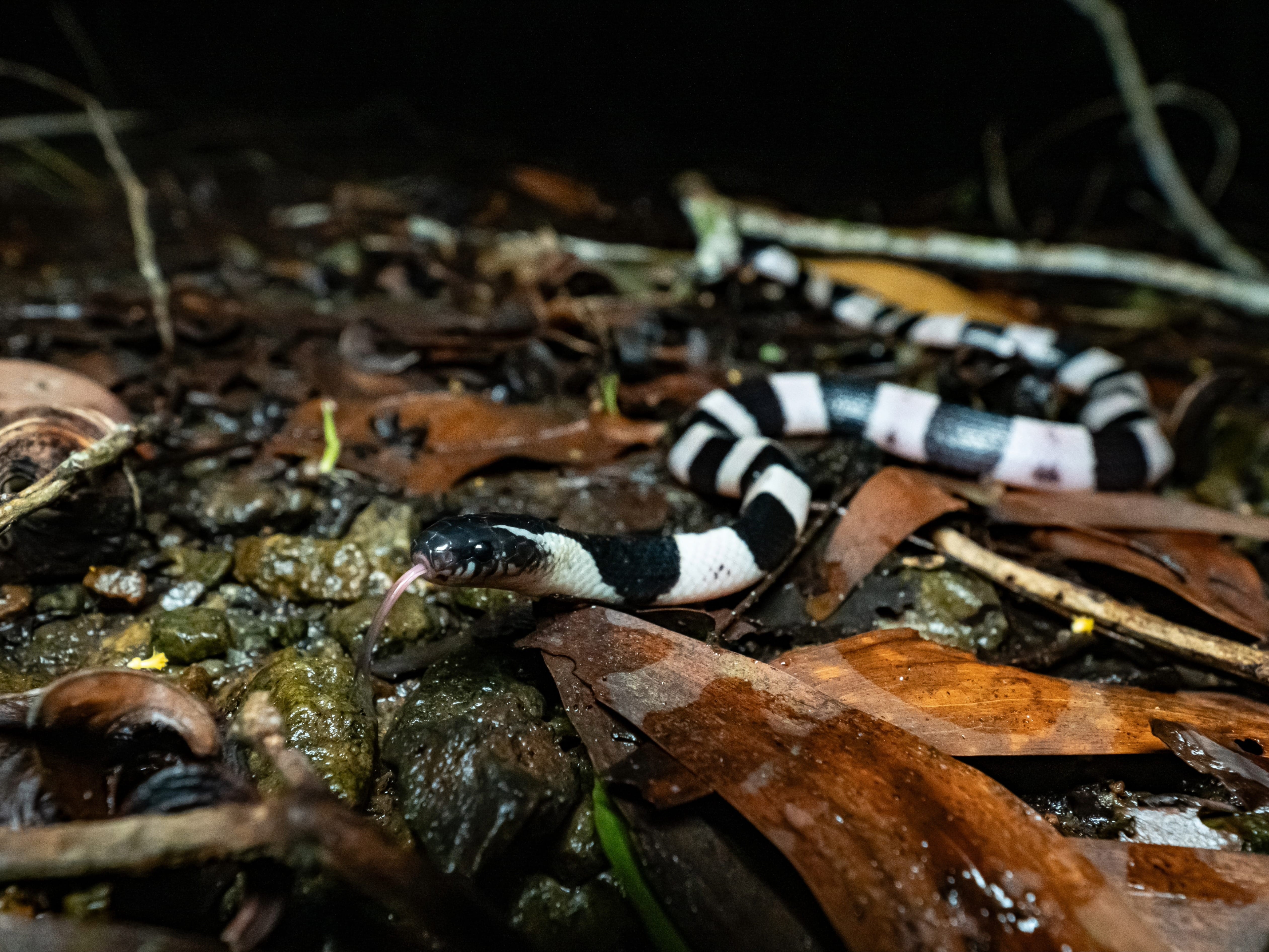
Photo credit: Neo Xiaoyun (opens in new tab). Photographer's caption: The banded krait (Bungarus fasciatus) is one of seven species of venomous snakes native to Singapore. Despite this fearsome label, it is not an aggressive species and will not bite if left unprovoked.
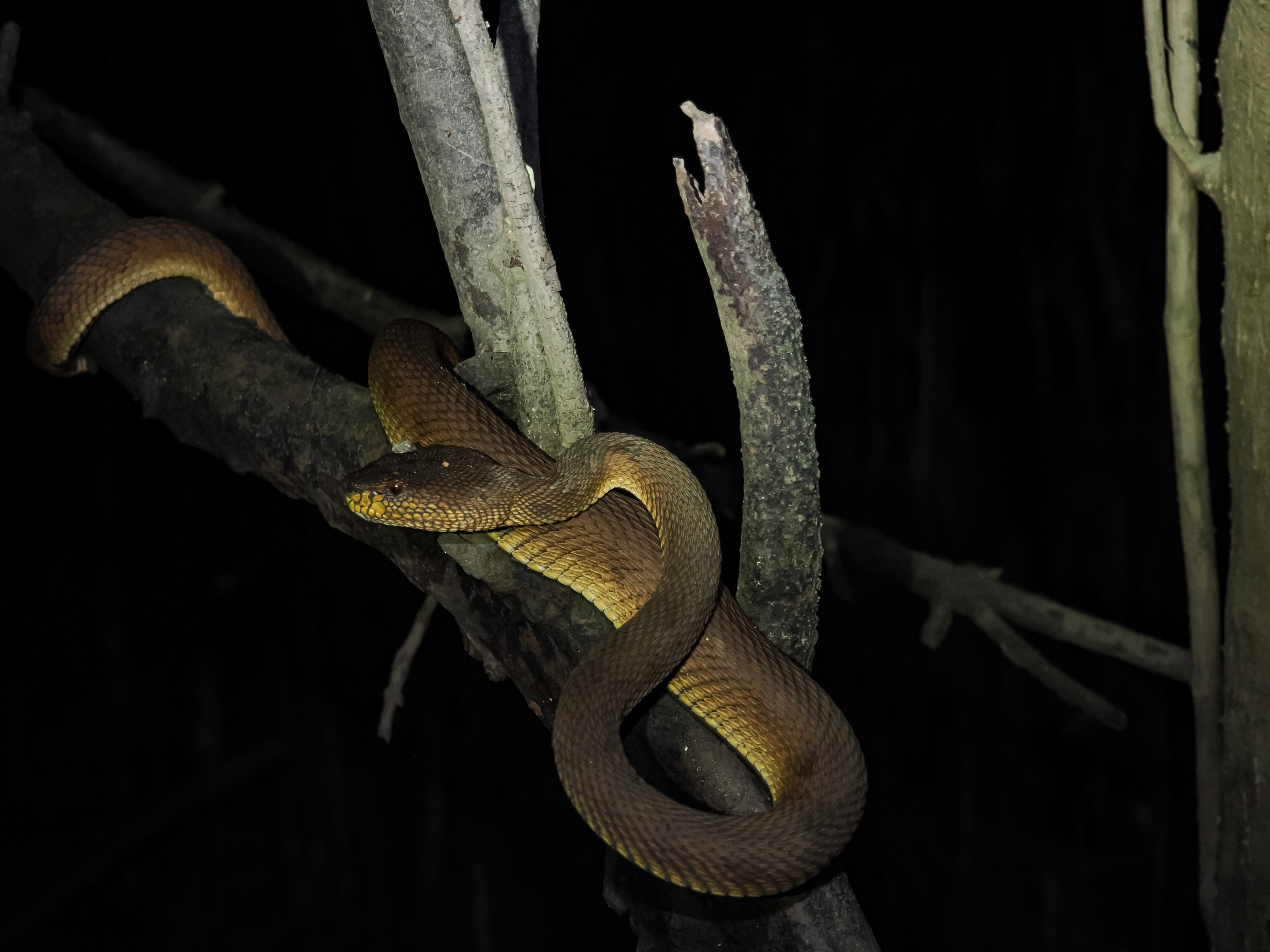
Photo credit: Neo Xiaoyun (opens in new tab). Photographer's caption: Shore Pit Viper (Cryptelytrops purpureomaculatus) in the Pulau Ubin mangroves. This was one of the last snakes in Singapore I sighted before departing for my master's education abroad, so it has some significance!
What Should I Do if I Encounter a Snake?
If you encounter a snake in a public area, stay calm and remember that snakes are shy creatures and will not attack unless disturbed or provoked. Observe from a safe distance and back away slowly so the snake can retreat.
If you are at home, keep your family and pets away from the snake and leave the doors and windows open in the room for the snake to escape. Do not attempt to wrangle the animal and call NParks’ 24-hr Animal Response Centre (1800-476-1600) or ACRES (9783-7782) for assistance if required. You can consult this handy snake advisory (opens in new tab) from Our Wild Neighbours for more helpful information.
Increase Your Sssmarts this Year of the Snake at Science Centre Singapore
Searching for an educational Lunar New Year activity that’s fun for the whole family? KidsSTOP™ is running Hide and Ssseek (opens in new tab) from 14 - 31 Jan 2025, a scavenger hunt for kids to learn about the different stages of a snake’s life complete with exclusive stickers (weekdays only from 3:00-4:00pm). Catch the KidsSTOP™ show Ssssspectacular Snakes (opens in new tab) at 11.30am and 3.30pm from 18 - 26 Jan 2025 to help KidsSTOP™’s dinosaur mascot Rex overcome his snake phobia and learn what to do if our scaly neighbours slither into view (weekdays only).
For more creepy crawly fun, bring the family to Savage Garden (opens in new tab), our latest exhibition at Science Centre Singapore featuring carnivorous plants and how they ensnare their prey. Tickets for KidsSTOP™ and Science Centre Singapore are available here (opens in new tab).
Here's to growing our STEM wisdom and nurturing a harmonious relationship with nature this Year of the Snake!
Written by Jamie Uy
Special thanks to the Herpetological Society of Singapore (opens in new tab) for their assistance sourcing photos