
From sea ice to seafloor: the science of ocean exploration
At the latest ONE Ocean Science Café, speakers from Tara Polaris Expeditions and OceanX shared how science and technology are being used in studying the rapidly changing Arctic and the unexplored seafloor.
The ONE Ocean Science Cafe event kicked off with a “Wrong Answers Only” activity, where guests were asked to come up with creative names for interesting-looking sea creatures.
Some of the notable answers include “Now You See Me, Now You Don’t”, when participants were shown a photo of a crocodilefish camouflaged against some corals, as well as “Lelong Lelong”, when shown a photo of a pom pom crab.
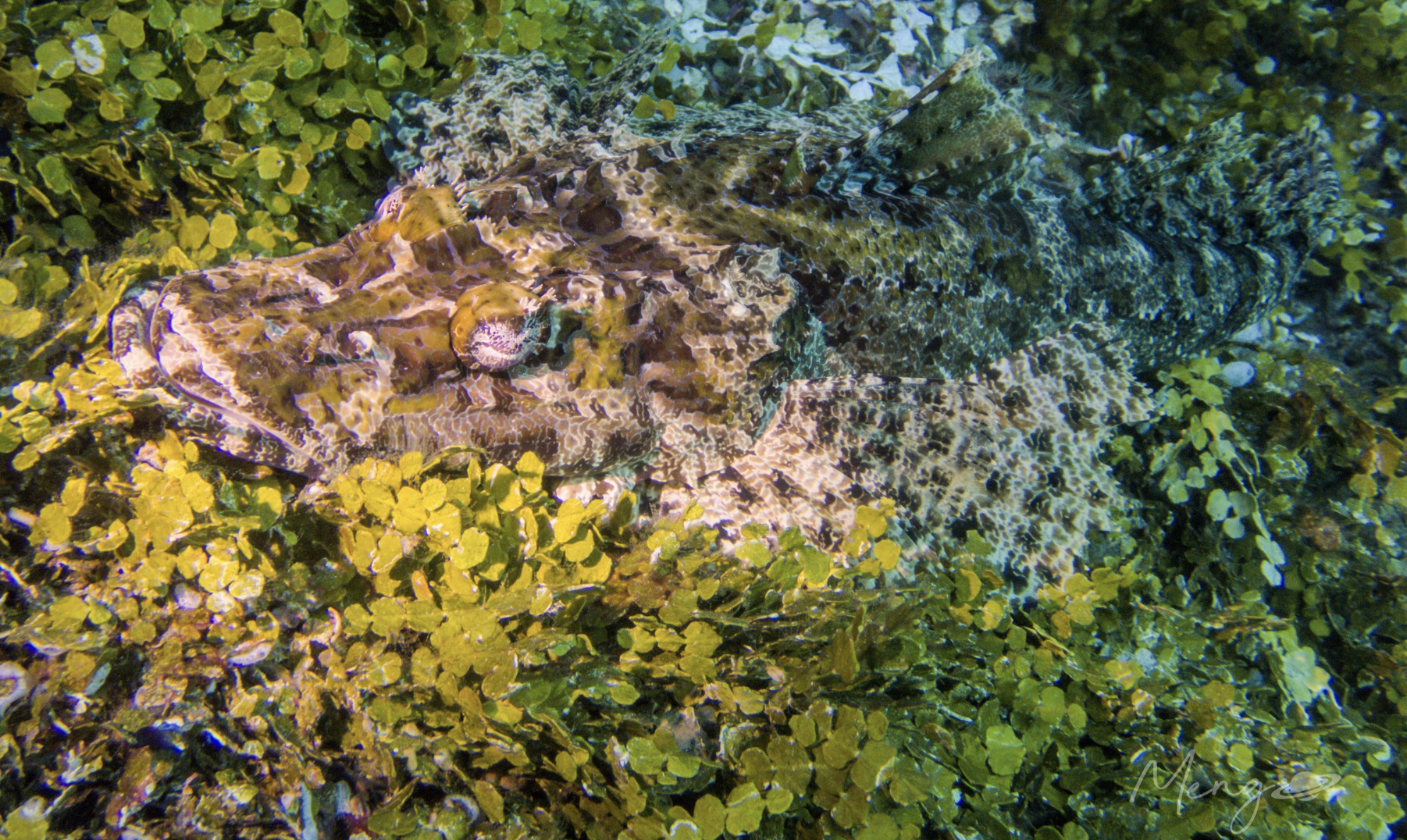
Photo of a crocodile fish. Photo credit: Lim Meng Hwee.
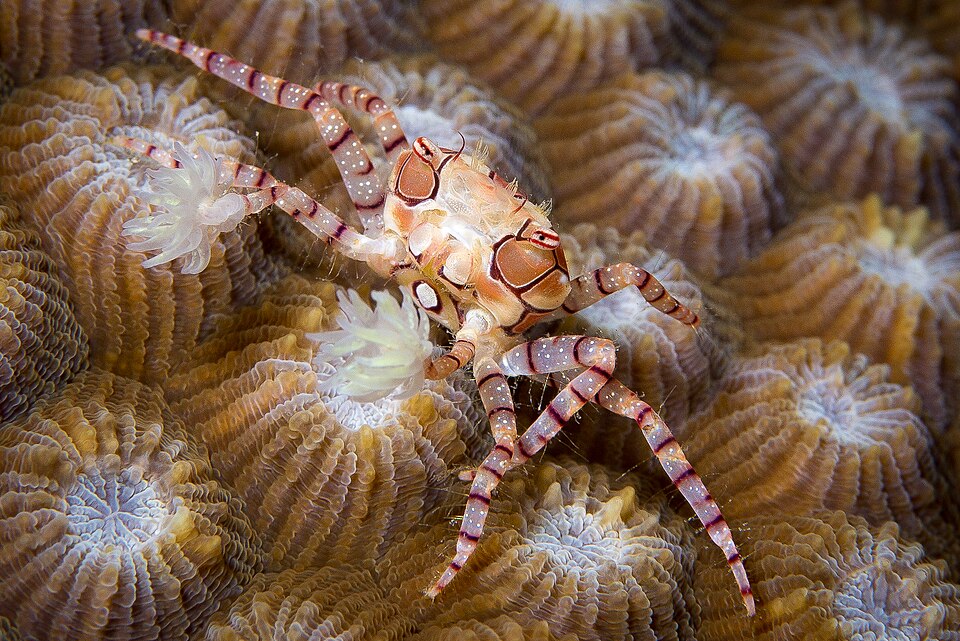
Photo of a pom pom crab. Source: Wikimedia Commons.
With the audience all pumped up from the activity, Marcel Babin, Scientific Director of Tara Polaris Expeditions (opens in new tab), began sharing more about the Tara Polar Station’s expeditions.
Following the Arctic's changing landscape
Joining the audience virtually from Canada, Marcel introduced the Tara Polar Station, a drifting research vessel designed to spend more than a year embedded within Arctic sea ice.
Unlike conventional research ships that move from site to site, the station will drift naturally with the sea ice, allowing scientists to observe the Arctic through every season.

YouTube video of the Tara Polar Station undergoing a test drift in the arctic.
Over the next two decades, repeated expeditions will monitor how the Arctic changes over time, collecting data on everything from atmospheric microbes and sea ice to marine biodiversity and pollution.
"The Arctic ocean is known as the place on our planet that changes the fastest at the moment," Babin said.
Temperatures in the Arctic are rising three to four times faster than anywhere else, causing sea ice to shrink and ecosystems to transform. Yet understanding these changes requires patience as much as technology.
"We will be there for at least twenty years... to really witness the changes that are ongoing in the Arctic Ocean," he said.
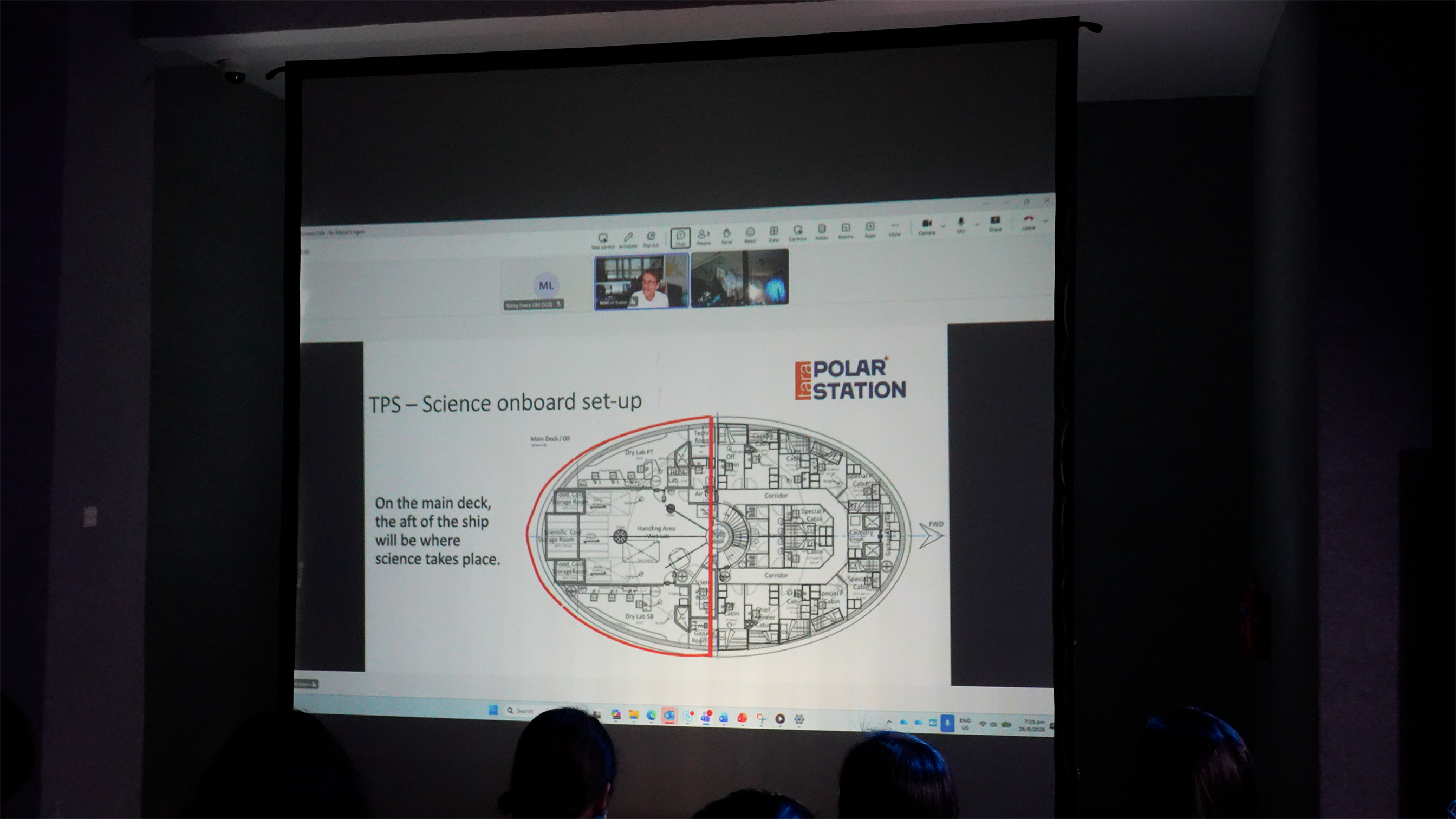
Photo: Marcel explaining the Tara Polar Station science onboard set-up
One particularly surprising insight was that sea ice itself is far from lifeless.
Rather than just being a solid block of frozen water, sea ice contains tiny pockets of salty liquid that provide habitats for bacteria, algae and other microscopic organisms. These form the foundation of Arctic food webs and may even hold clues as to how life adapts to extreme environments.
The research also extends beyond biology. Scientists aboard the Tara Polar Station will investigate how microbes influence cloud formation, how pollutants such as mercury and microplastics reach the Arctic despite its remoteness, and how changing environmental conditions affect life throughout the polar ocean.
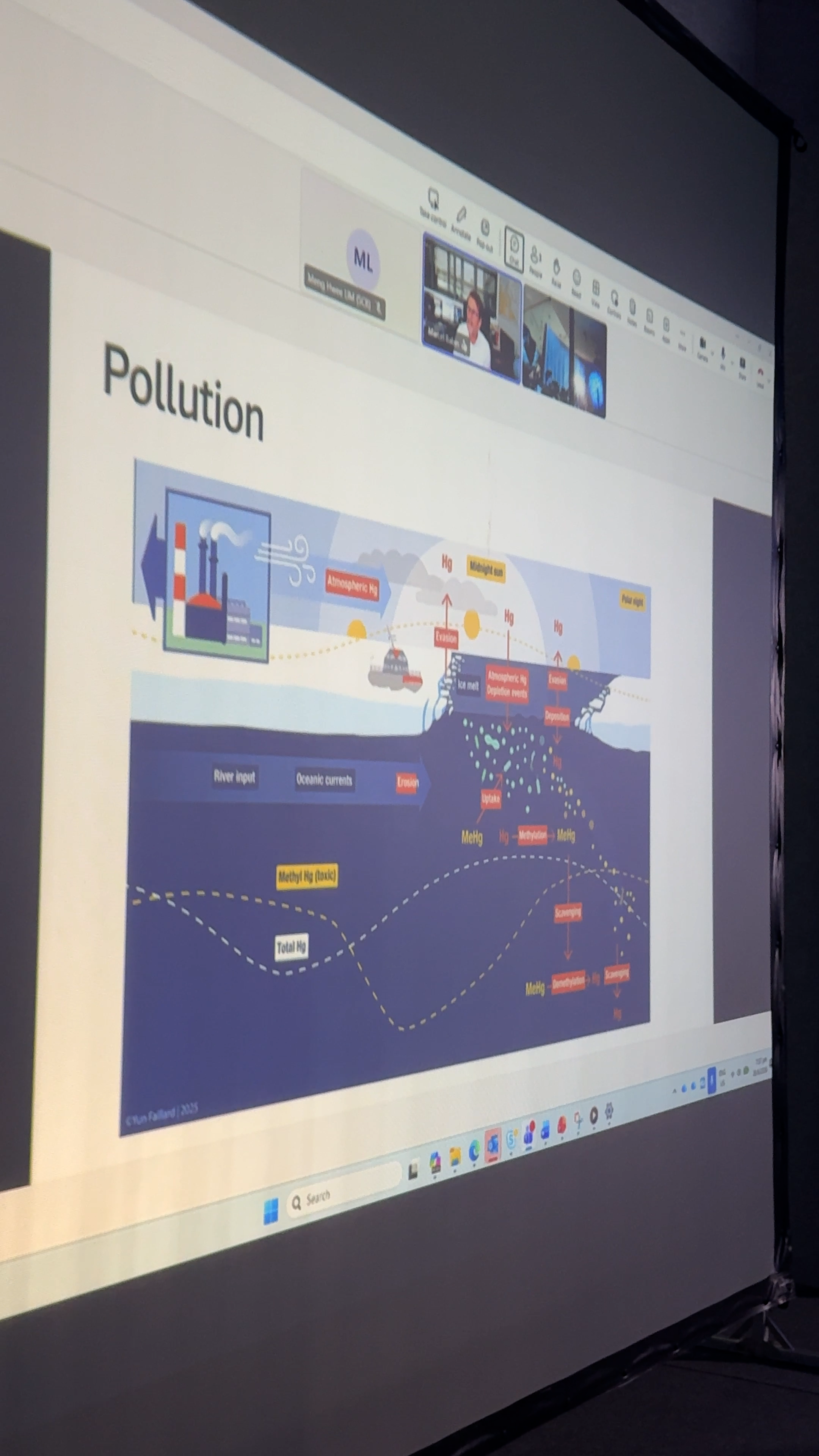
Photo: Marcel explaining the science behind pollution in the Arctic.
Exploring the hidden depths of the ocean
While Babin's team follows drifting sea ice, OceanX (opens in new tab) explores another frontier: the deep ocean.
Founded in 2016, OceanX combines scientific research, technology and storytelling to reveal parts of the ocean that few people have ever seen. Its research vessel, OceanXplorer, is equipped with submersibles, remotely operated vehicles, mapping technologies and media production facilities.
During his sharing, Dr Lim Tit Meng, APAC Executive Director of Education at OceanX, shared footage from one of their expeditions to Indonesia's Sulawesi region, where scientists mapped the seafloor around the Pacific Ring of Fire.
By combining sonar mapping, geological sampling and biological surveys, researchers are improving our understanding of underwater volcanoes, tectonic activity and tsunami risks.

YouTube video of an OceanX expedition to the seafloor of Sulawesi, Indonesia
For Dr Lim, however, collecting scientific data is only half the story.
"Science is fundamentally about people. Science is not just for publication; (it) must mean a lot to all of us.”
Ocean exploration is not just about discovering new species or creating better maps. The knowledge gained can help governments make informed decisions, improve disaster preparedness and guide marine conservation efforts.
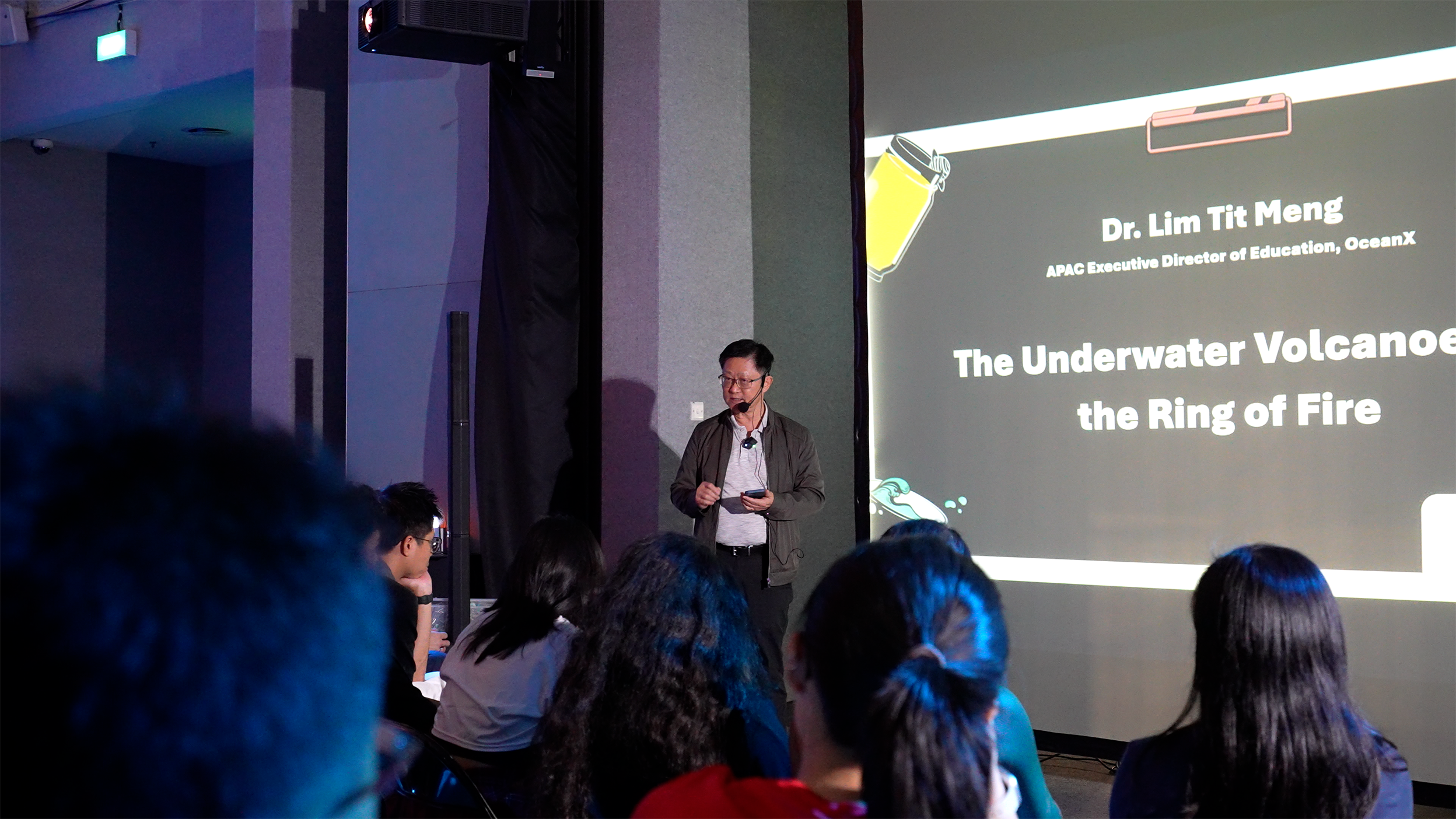
Photo: Dr Lim sharing about OceanX’s work exploring the underwater volcanoes in Indonesia.
Just as importantly, sharing these discoveries helps people appreciate the ocean's importance. After all, “you can’t care about something you don’t know,” Dr Lim says, quoting Sylvia Earle, renowned oceanographer and marine biologist.
OceanX therefore places storytelling alongside science, using documentaries, educational programmes and immersive experiences to bring underwater discoveries to audiences around the world.
From exploration to stewardship
Despite studying different parts of the ocean, both speakers arrived at the same conclusion: understanding comes before conservation and protection.
Scientific expeditions reveal how climate change is reshaping the Arctic. Deep-sea mapping helps scientists better understand natural hazards beneath the waves. Education and storytelling then bridge the gap between researchers and the public, transforming complex scientific findings into stories that inspire curiosity and action.
As Dr Lim put it, OceanX hopes "to transform humanity's relationship with the ocean, from one of exploitation to one of mutual benefit."
It is an ambitious vision that depends not only on scientists and researchers, but also educators, storytellers and an informed public.
What’s next?
Stay tuned to Science Cafe’s next session happening in October in conjunction with Science Centre Singapore’s Halloween-themed festival.
ONE Ocean is also still available for ticketing purchase (opens in new tab).